التكليف (الواجب):
رسم مخططات أولية (Rough Sketches) لكل تغيير ملابس خاص بكل شخصية
تطوير لوحات مزاج عام (Mood Boards) لكل شخصية وبيئتها المحيطة

غالباً ما يتم التغافل عن تصميم الأزياء في عملية صناعة الأفلام، رغم أنه يلعب دوراً حاسماً في تحديد معالم الشخصية، وهويتها، والسرد البصري للقصة. تقدم هذه الورشة مدخلاً لتصميم الأزياء بوصفه أداة قوية في السينما الروائية، مع التركيز على الأفلام القصيرة، وإن كانت المبادئ المطروحة تنطبق على المشاريع من كافة الأحجام.
من خلال البحث، والرسم التوضيحي، ولوحات المزاج العام (Mood Boards)، والتعاون العملي، سيتعلم الطلاب كيفية دمج الروح في الشخصيات عبر الملابس، بالعمل جنباً إلى جنب مع الأقسام الرئيسية الأخرى مثل التصوير السينمائي والتصميم الإنتاجي (الديكور). والهدف هو توفير معرفة عملية ورؤية فنية لدمج تصميم الأزياء في كل مرحلة من مراحل إنتاج الفيلم.
ما هو الدور الحقيقي لتصميم الأزياء في السينما؟
كيف يختلف عن تصميم الأزياء والموضة التقليدي (Fashion Design)؟
كيف تعكس الملابس هوية الشخصية، وخلفيتها، وأسلوب حياتها، ومستوى دخلها، وحياتها قبل أن تبدأ أحداث السيناريو؟
أين تقع أحداث القصة، وكيف يؤثر ذلك على اختيار الملابس؟
سيتعرف الطلاب على تقنيات البحث الخاصة بتصميم الأزياء، ويتعلمون كيفية اكتشاف هوية الشخصية وعكسها من خلال اختيارات الملابس. الأصالة والمصداقية هما المفتاح؛ إذ تركز هذه المرحلة على خلق أشخاص حقيقيين وواقعيين على الشاشة.
التكليف (الواجب): تحدي البحث: “من 1900 إلى 2021” تختار كل مجموعة تاريخاً وموقعاً محدداً (على سبيل المثال: 26 مايو 1952 في القاهرة)، وتصمم المظهر الكامل لعائلة (أب، أم، وطفل)، بما في ذلك تصفيف الشعر والمكياج. سيتم عرض النتائج ومناقشتها في الفصل.
فهم وصناعة لوحات الألوان (Color Palettes) حسب الشخصية، والمشهد، والقصة
استخدام الأقمشة المنقوشة مقابل الأقمشة السادة
التكوين والتوازن البصري داخل الكادر
العمل بفعالية مع مدير التصوير ومصمم الإنتاج (مهندس الديكور)
سيتضمن الفصل أيضاً قراءة سيناريو بصوت عالٍ وتحليله لاستخراج الدلائل البصرية والخاصة بالشخصيات. يعمق هذا التحليل التعاوني فهم كيفية دعم تصميم الأزياء للمواضيع والسياق الروائي.
التكليف (الواجب): يقوم الطلاب بكتابة السير الذاتية للشخصيات ، وتفكيك سيناريو فيلم قصير ، وإنشاء لوحة ألوان لكل شخصية رئيسية.
يبدأ الطلاب في تطوير تصاميم أزيائهم من خلال الرسوم التخطيطية ولوحات المزاج العام. يُطرح الرسم التوضيحي هنا ليس فقط كأداة فنية، بل كوسيلة للتواصل الواضح مع المخرجين، والممثلين، وطاقم العمل. سيتعلم الطلاب أساليب متنوعة لرسم الأزياء التوضيحي وكيفية تطوير مراجع بصرية تعبر عن النغمة العامة للعمل، والحقبة الزمنية، والبيئة المحيطة.
التكليف (الواجب):
رسم مخططات أولية (Rough Sketches) لكل تغيير ملابس خاص بكل شخصية
تطوير لوحات مزاج عام (Mood Boards) لكل شخصية وبيئتها المحيطة
تتمحور هذه المرحلة حول تهذيب التصميم وتدقيقه:
يقدم الطلاب رسوماً تخطيطية محدّثة، ولوحات المزاج العام، ومراجع للأقمشة تم البحث عنها وعبر الإنترنت.
لإسقاط الجانب النظري على الممارسة العملية، ستشاهد المجموعة فيلماً روائياً طويلاً (فيلم الدورة السابقة: جودي) ومناقشة تصميم أزيائه: ما الذي نجح فيه؟ وما الذي لم ينجح؟ ولماذا اتُّخذت خيارات بعينها؟
يلخص هذا القسم رحلة تصميم الأزياء بأكملها من النص (السيناريو) وحتى الشاشة:
يعرض الطلاب مشاريع تصميمهم الكاملة في جلسة نقد وتقييم على طراز المعارض الفنية، للتأمل في الجوانب الناجحة والجوانب التي تحتاج إلى تحسين.
يجتمع كل مشارك على حدة مع “ريم” لمناقشة تصاميم شخصياته وآلية تفكيره. تعد هذه فرصة للحصول على تعقيبات وتوجيهات مباشرة حول الرؤية الفنية والتحليل الإبداعي.
يضع الطلاب اللمسات الأخيرة على تصاميمهم، مدمجين جميع الأبحاث، والرسوم التخطيطية، والأقمشة، ولوحات المزاج العام في عرض تقديمي واحد متماسك. تُجرى التقييمات والنقاشات النهائية في الجلسة الأخيرة، مما يتيح للجميع فرصة استعراض تطورهم الإبداعي ومسار تصميمهم.
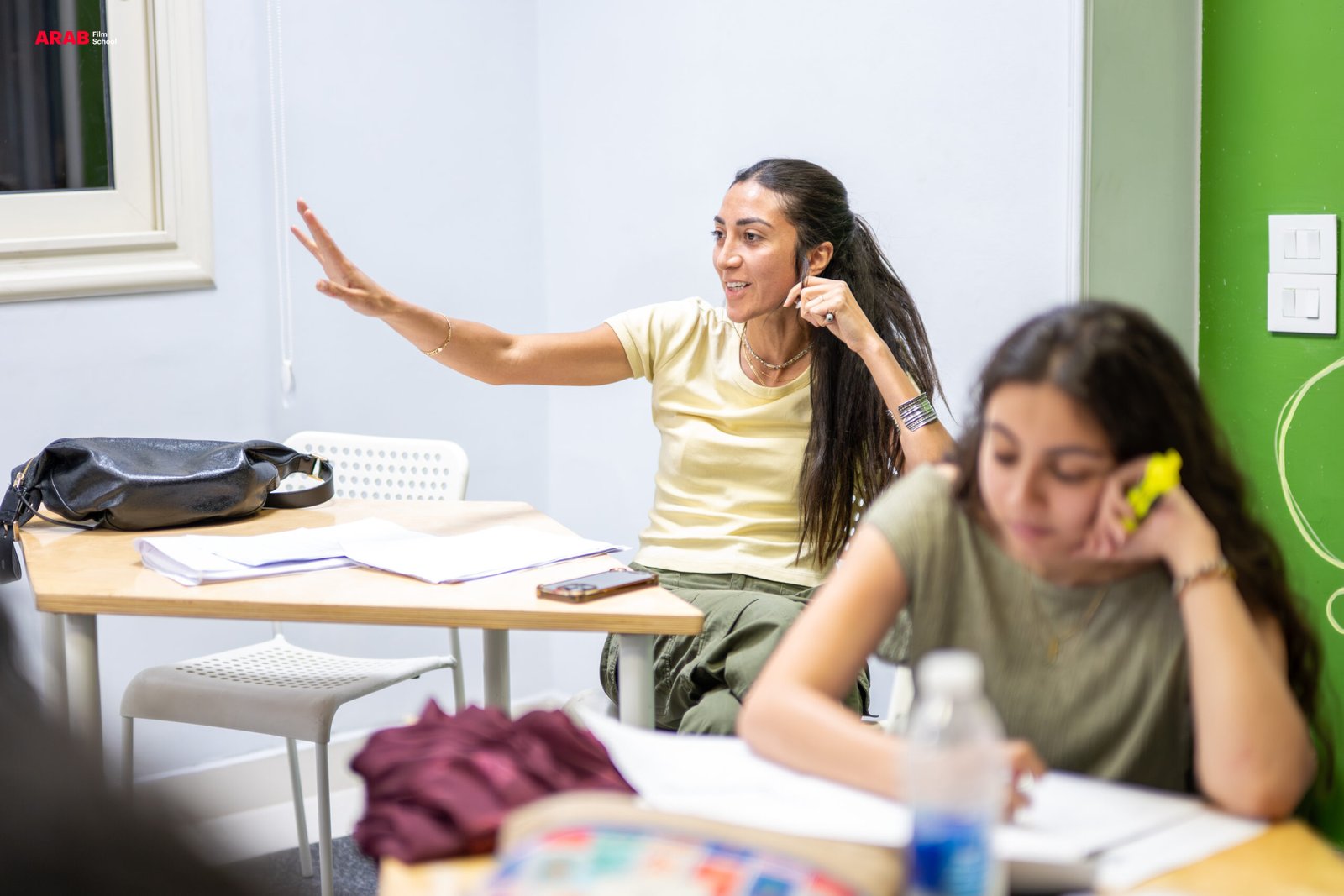
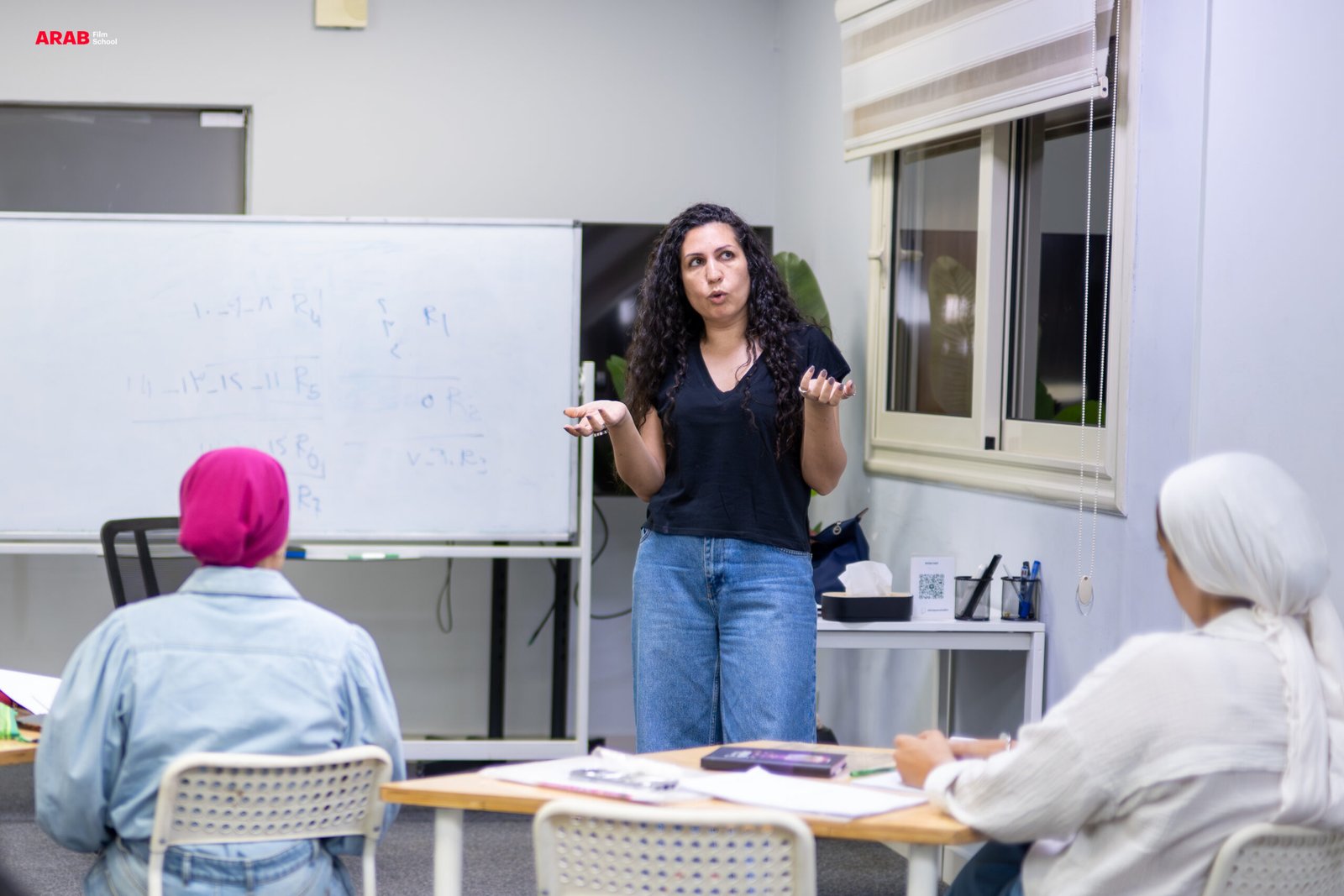
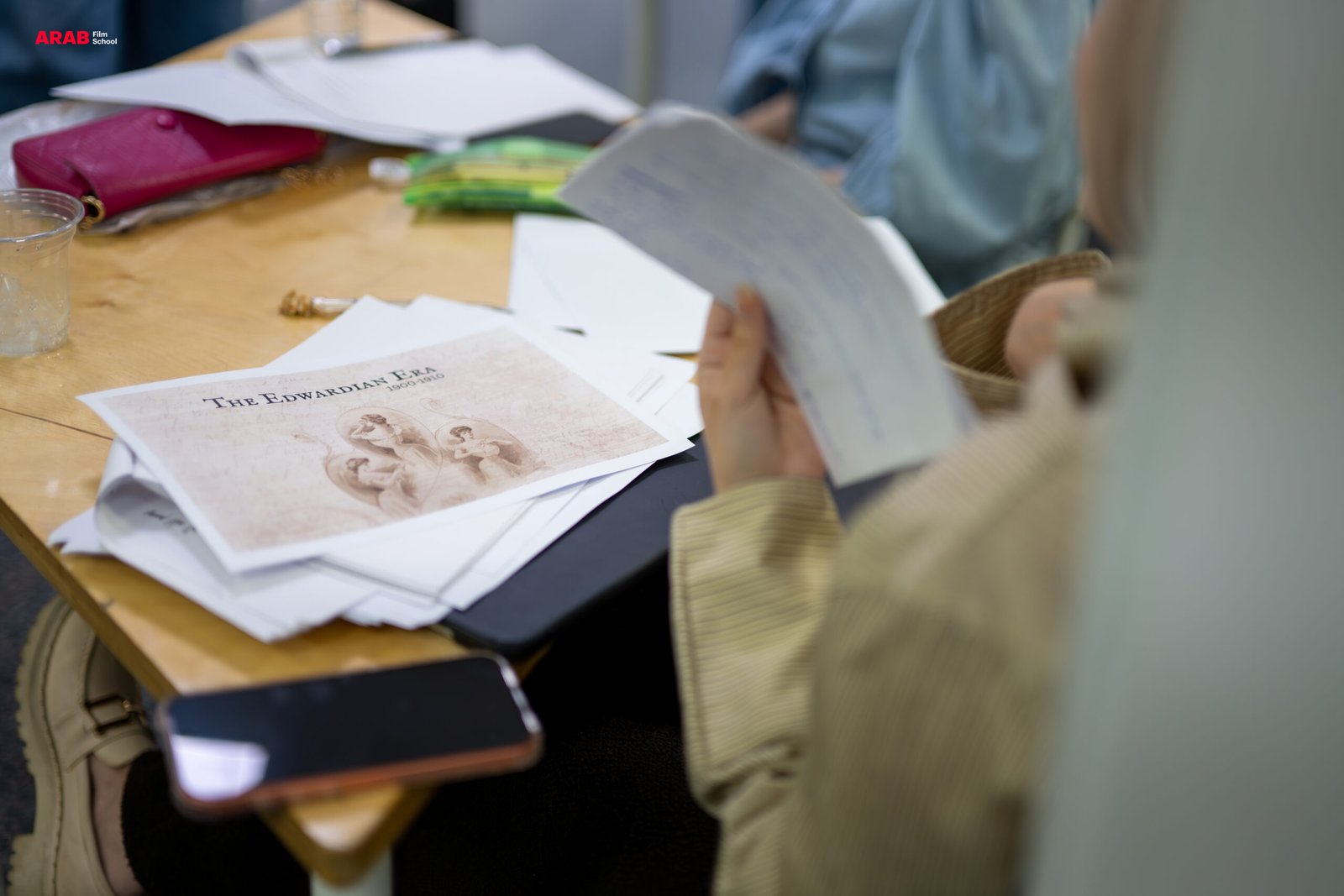
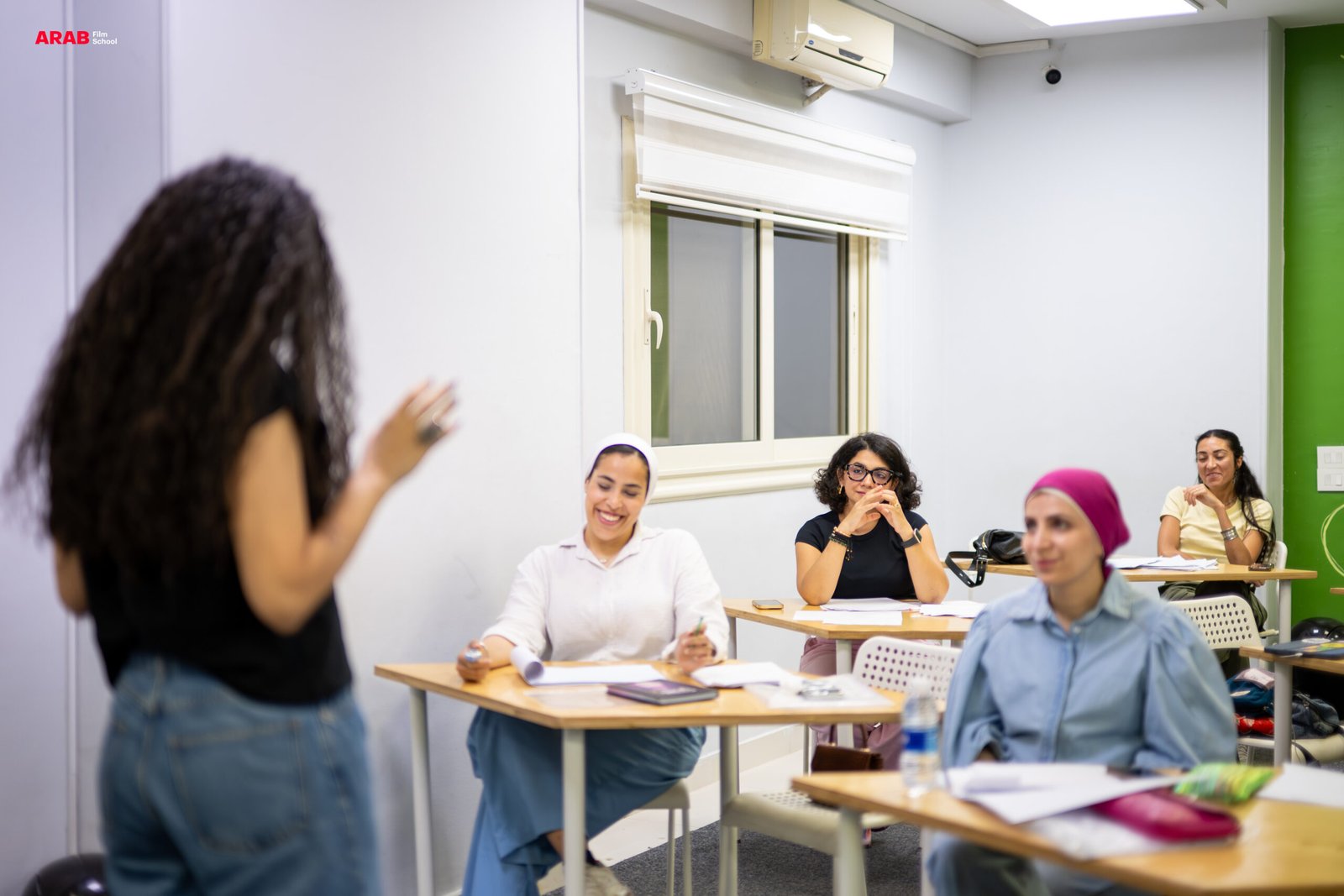
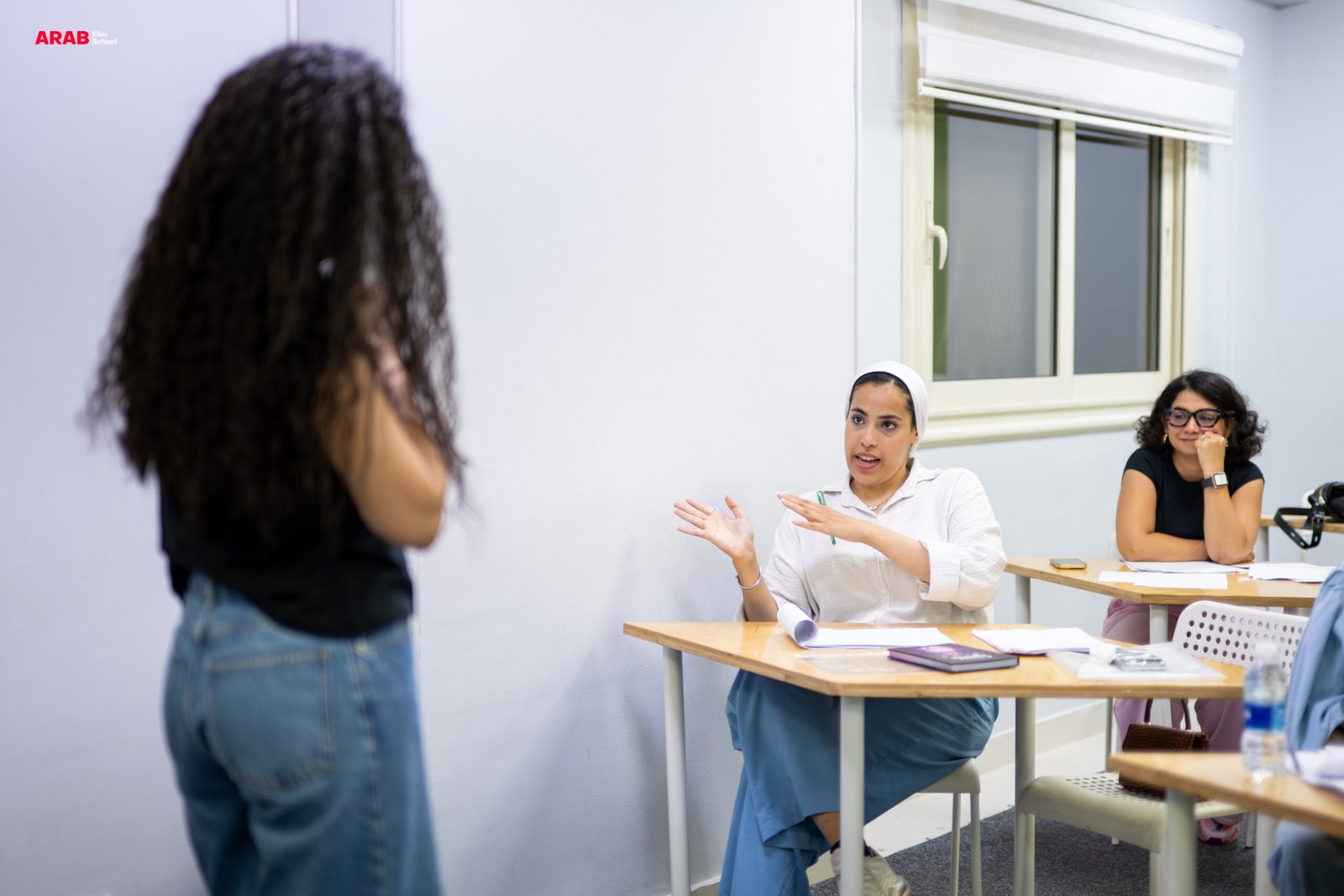
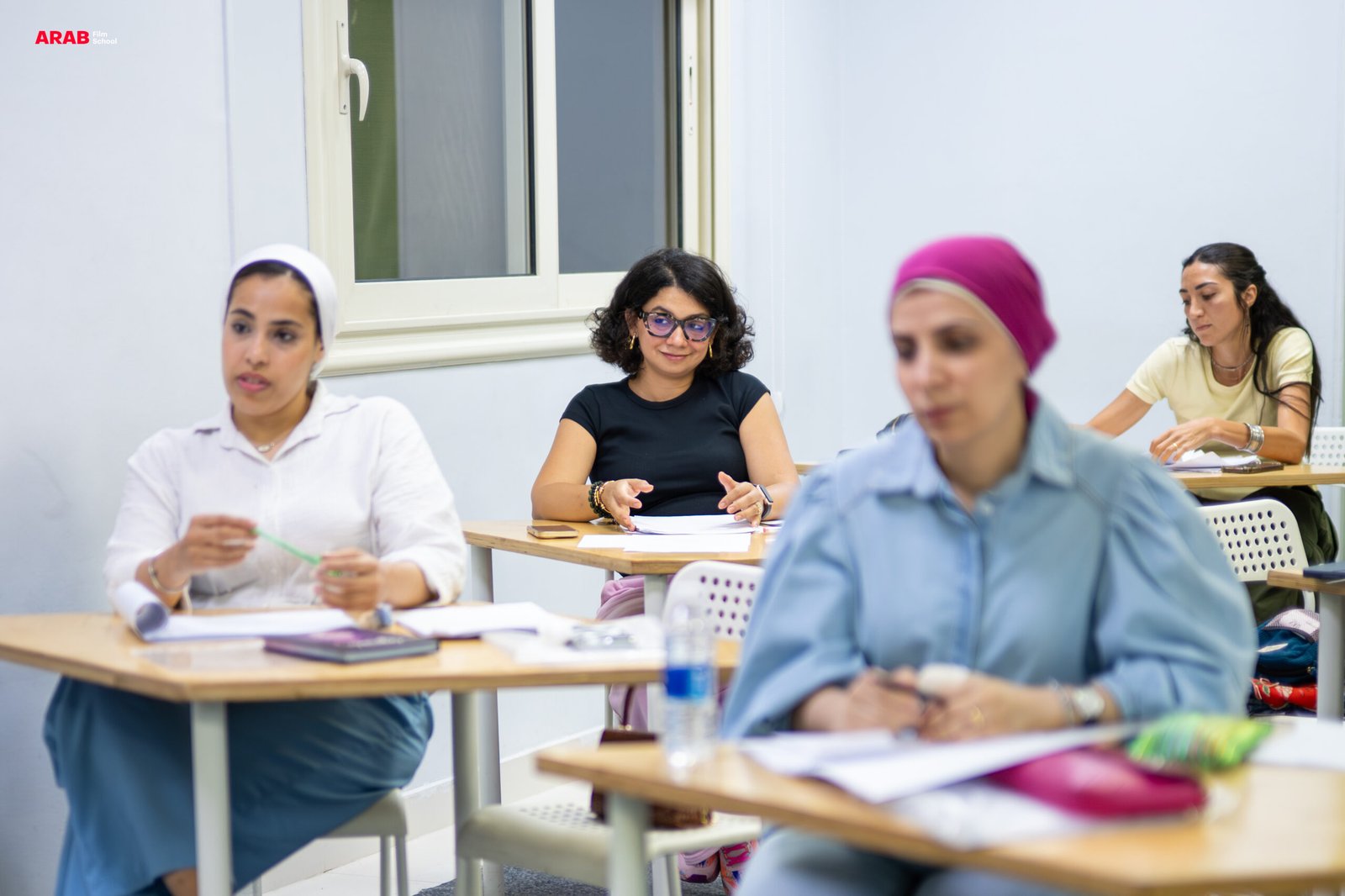
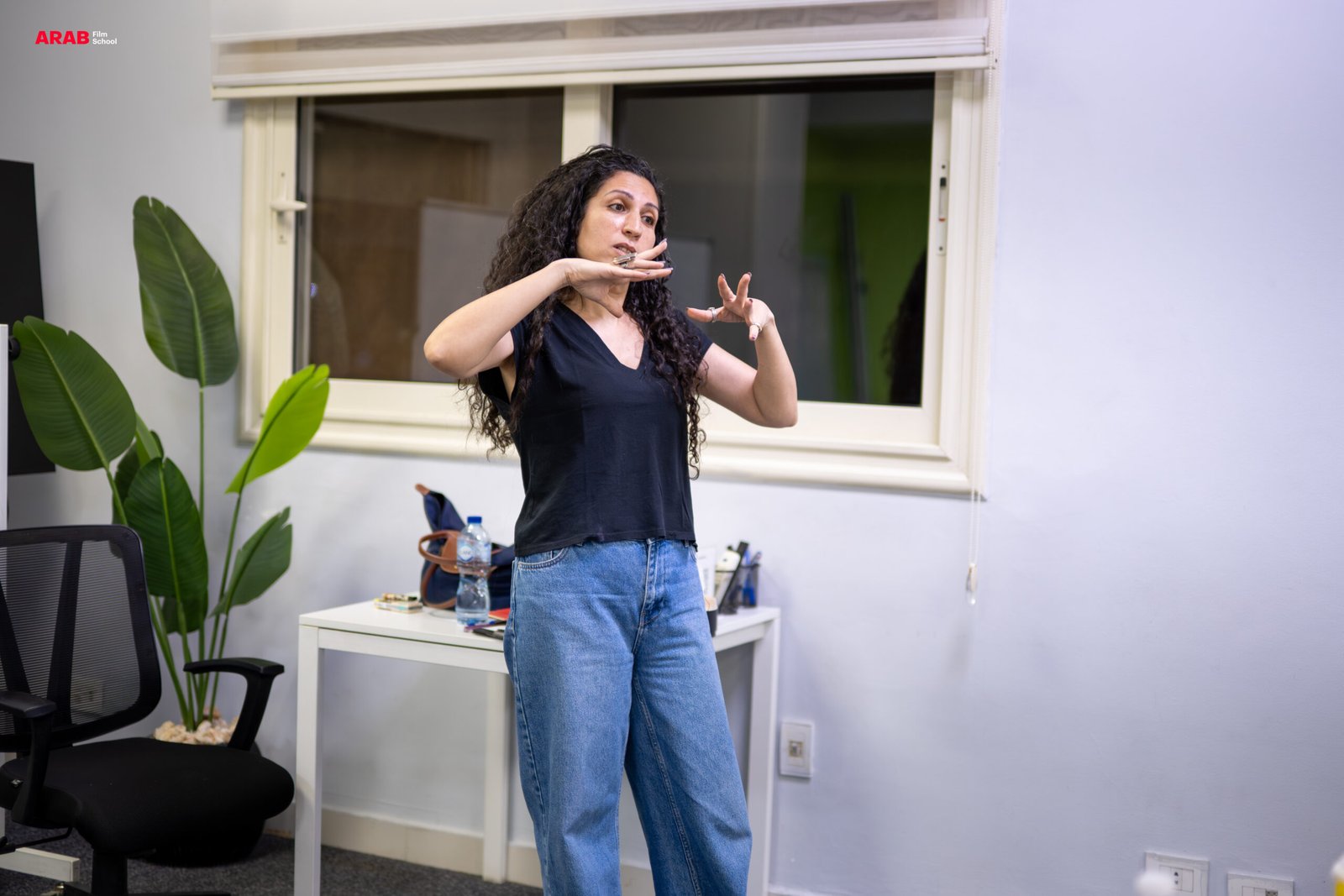
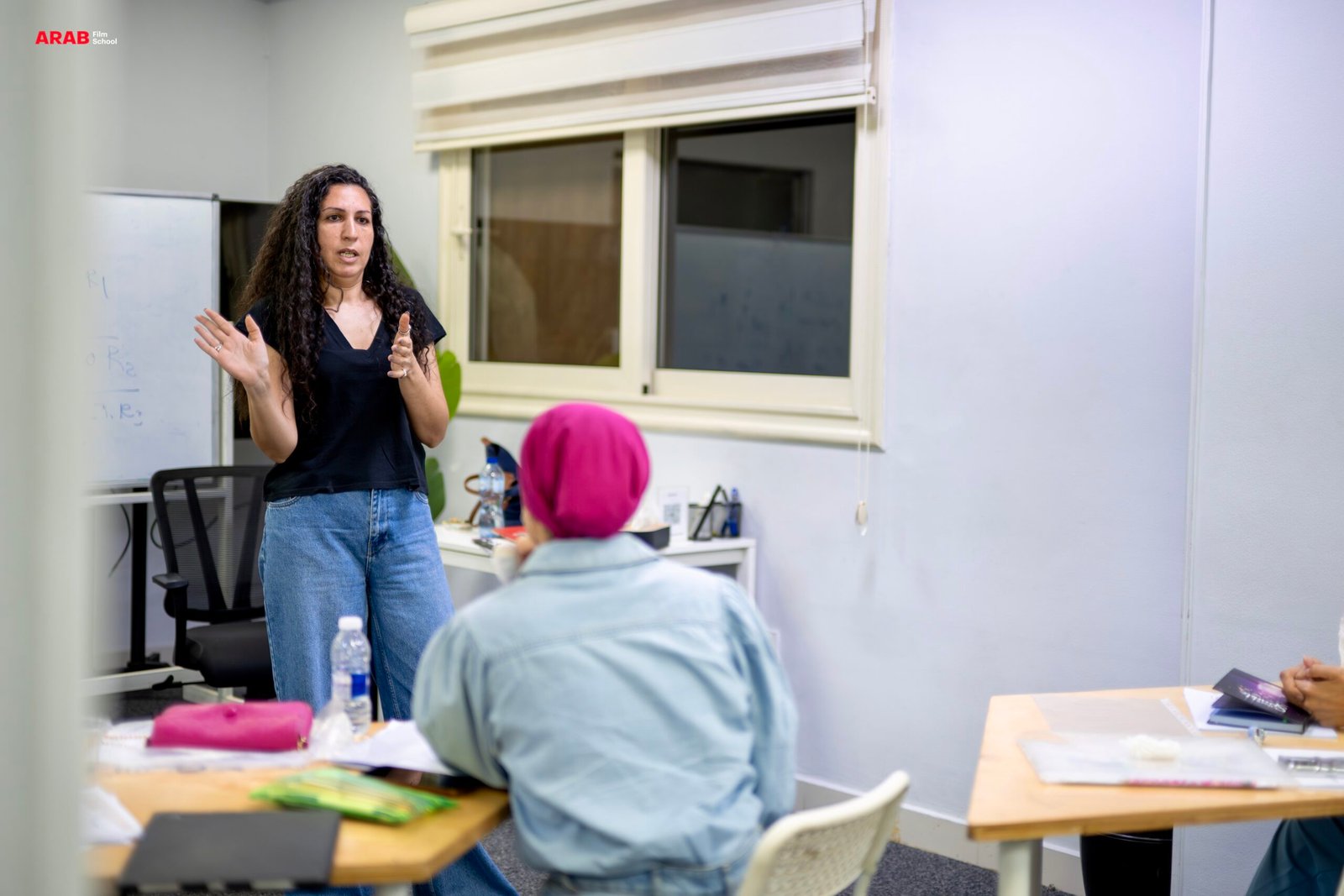
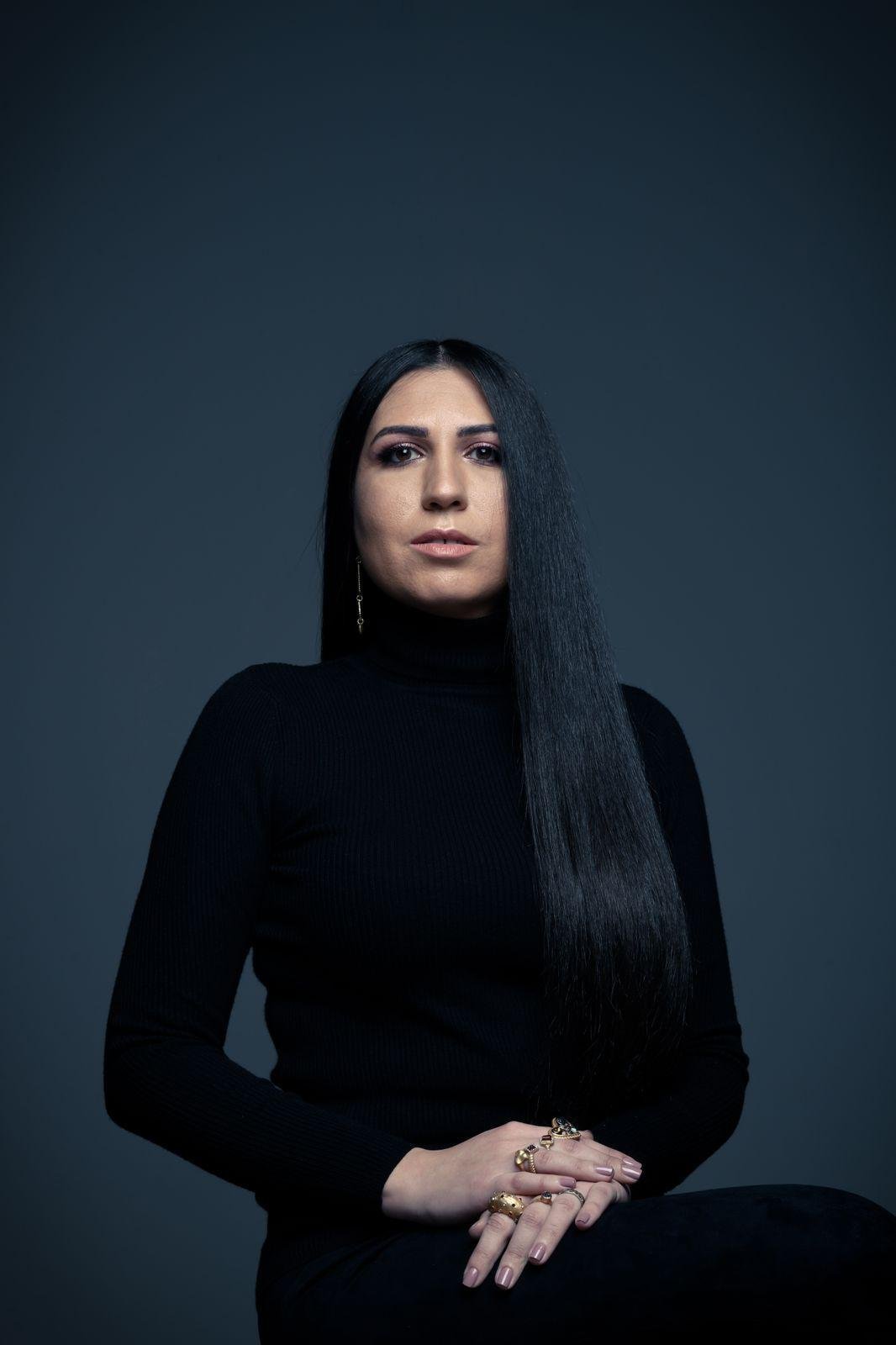
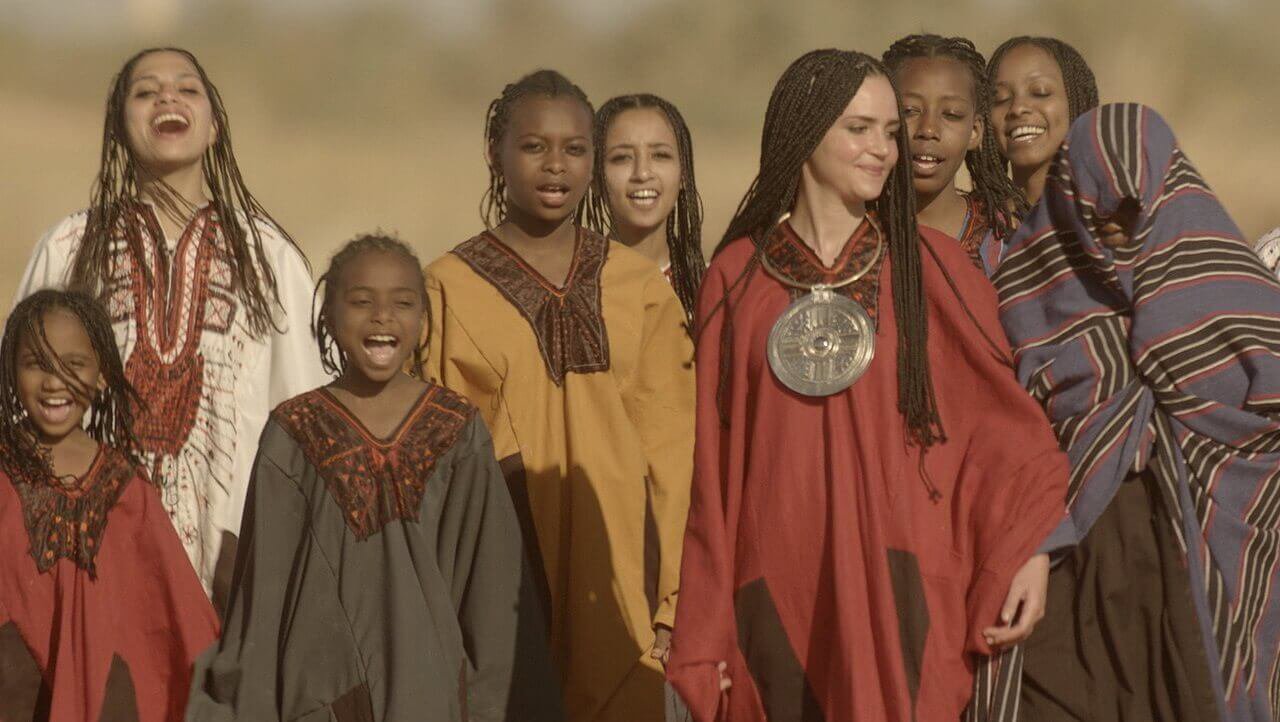
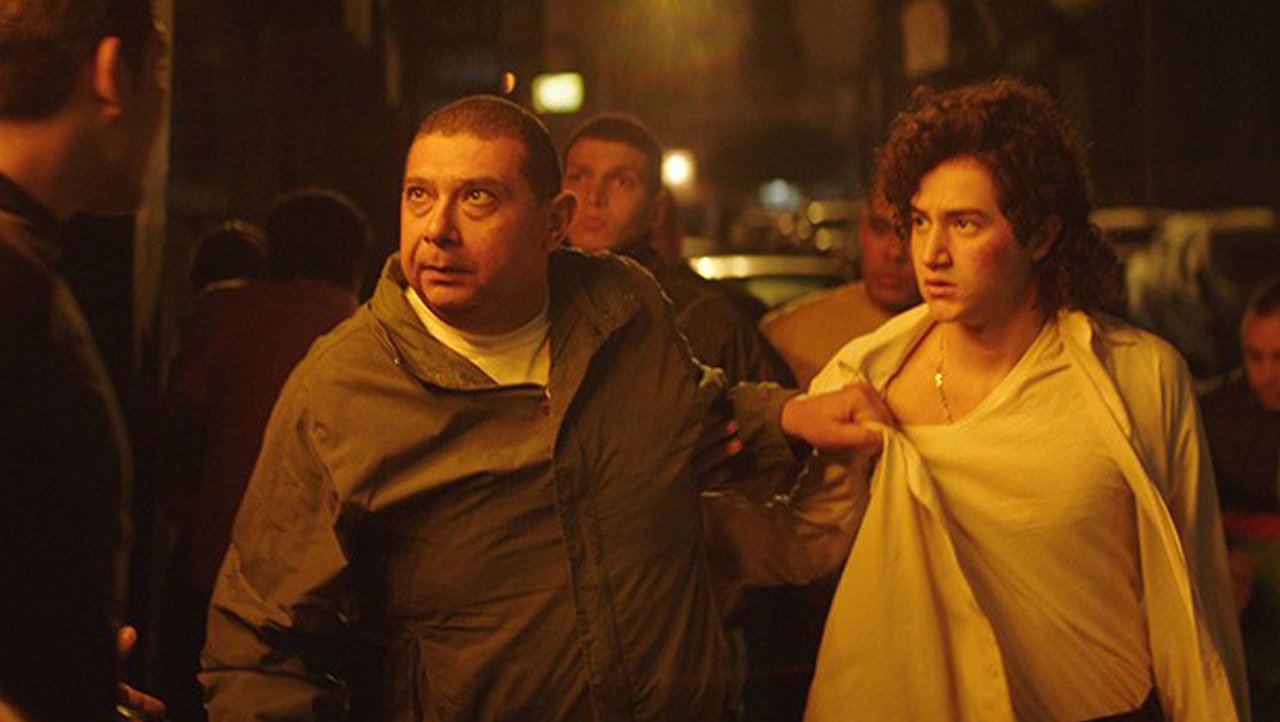
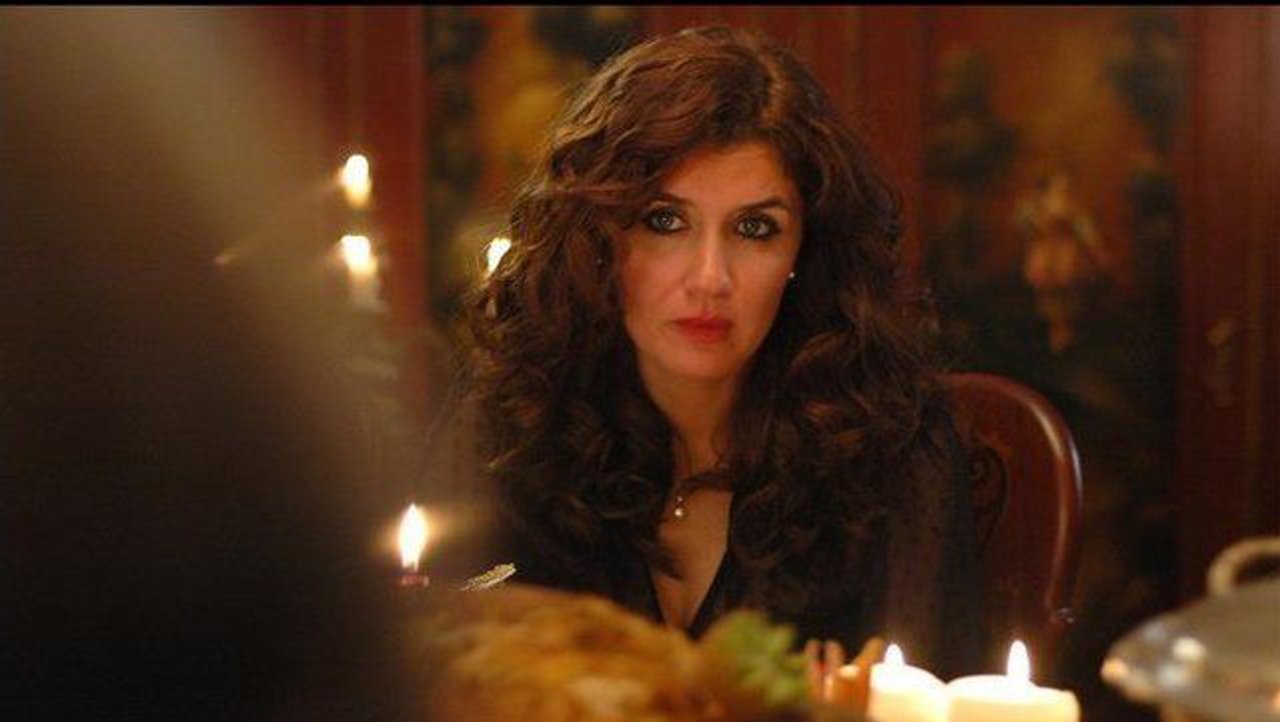
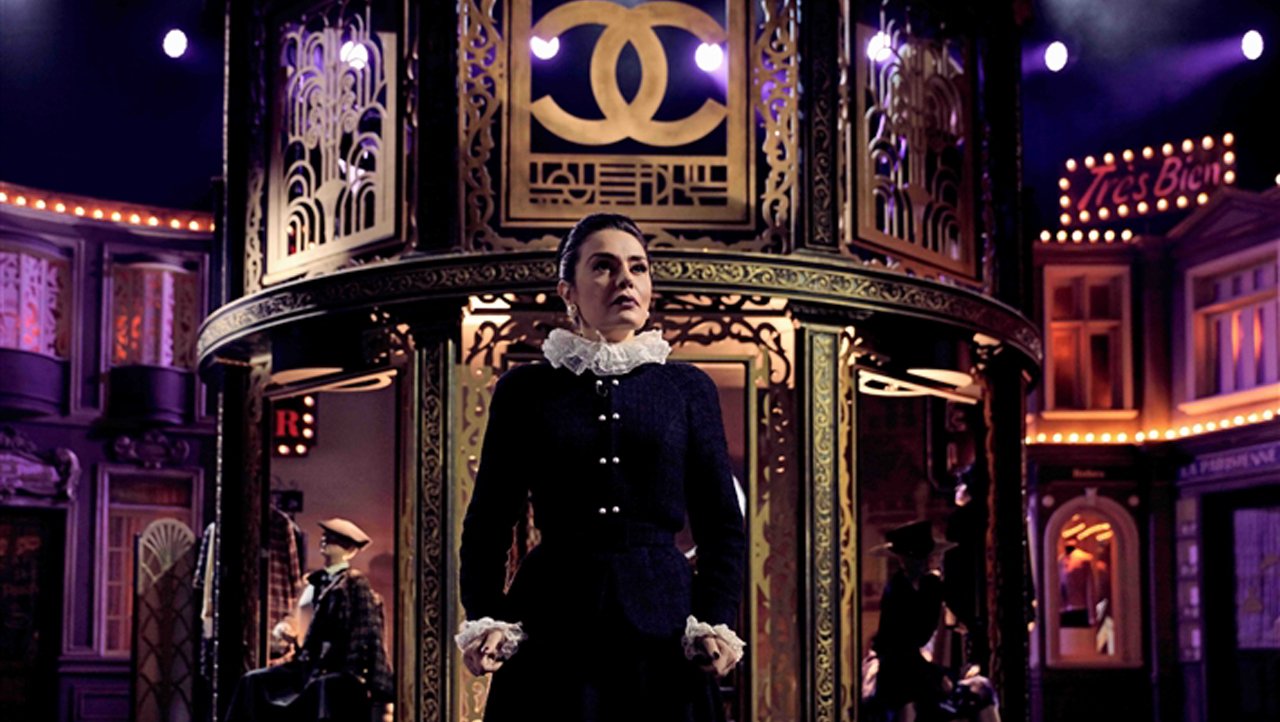
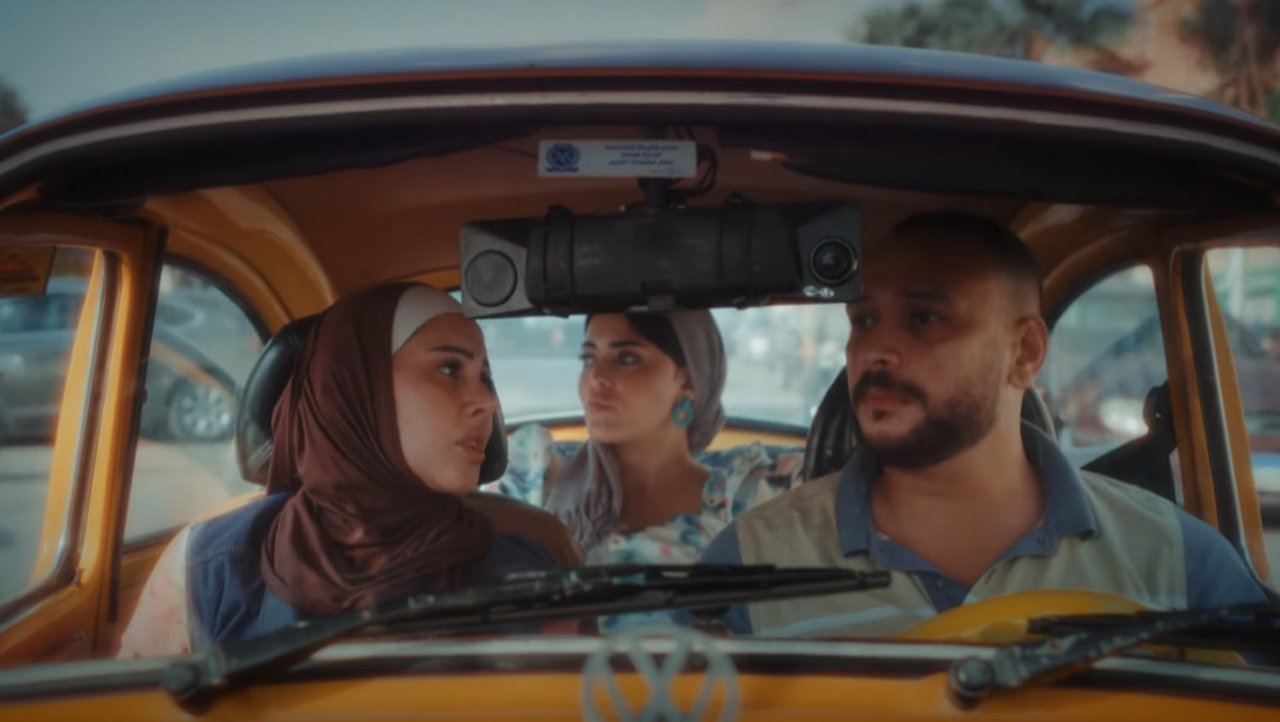
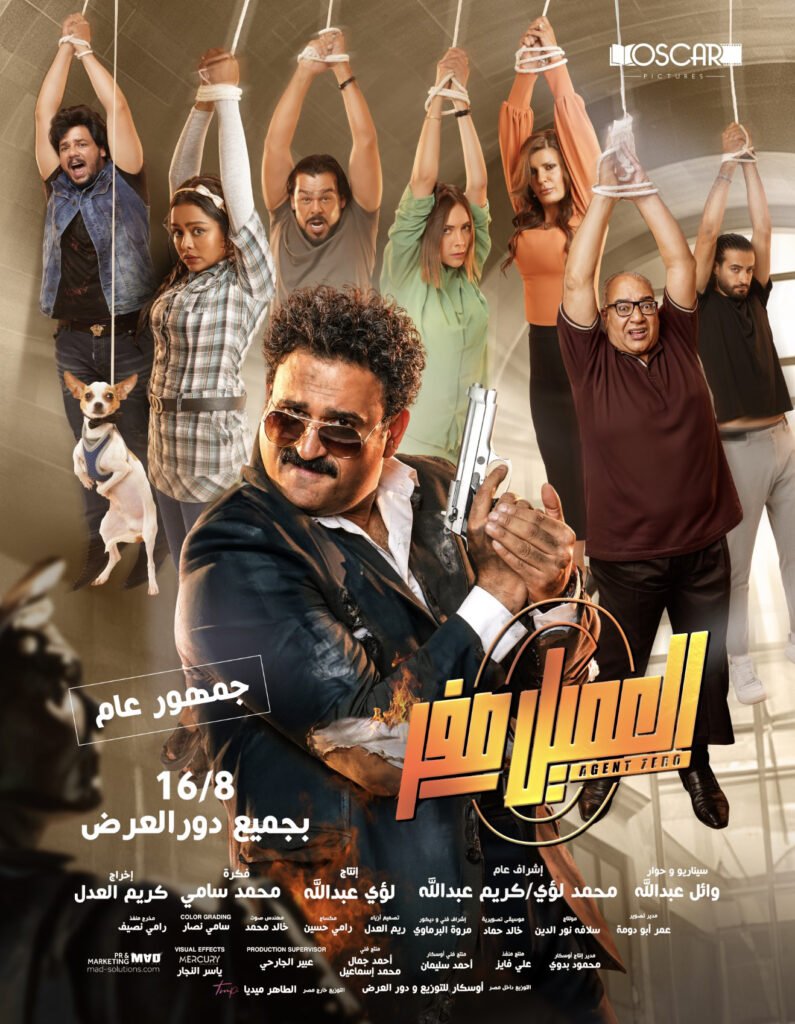
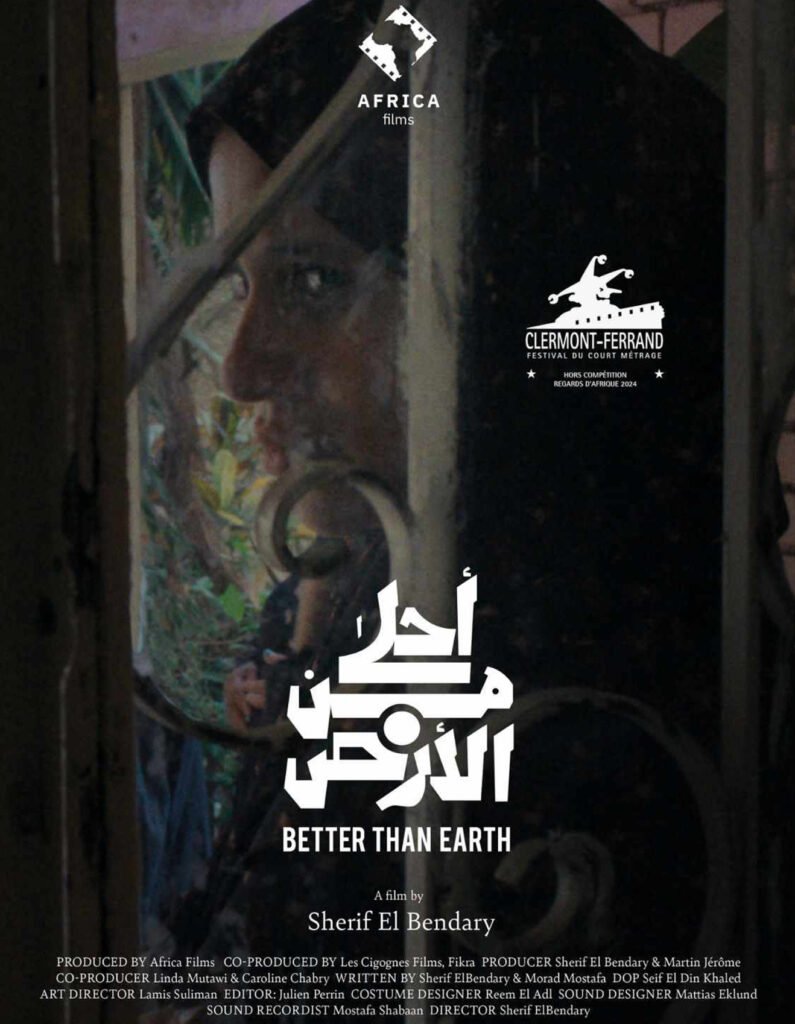
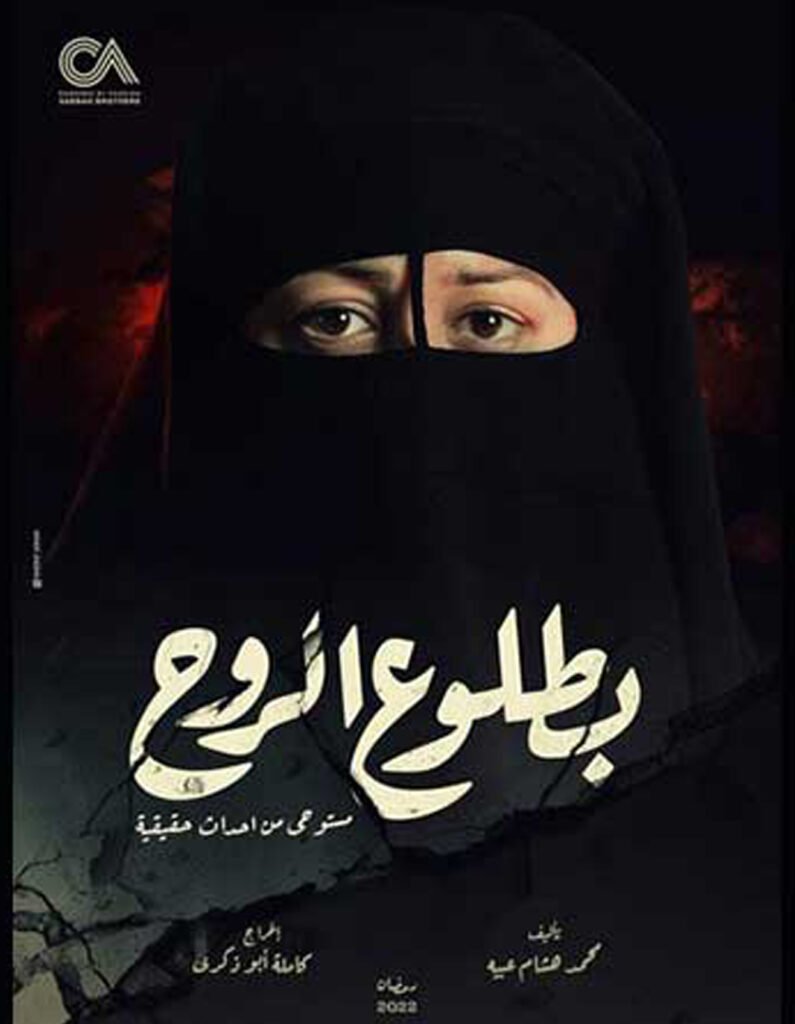
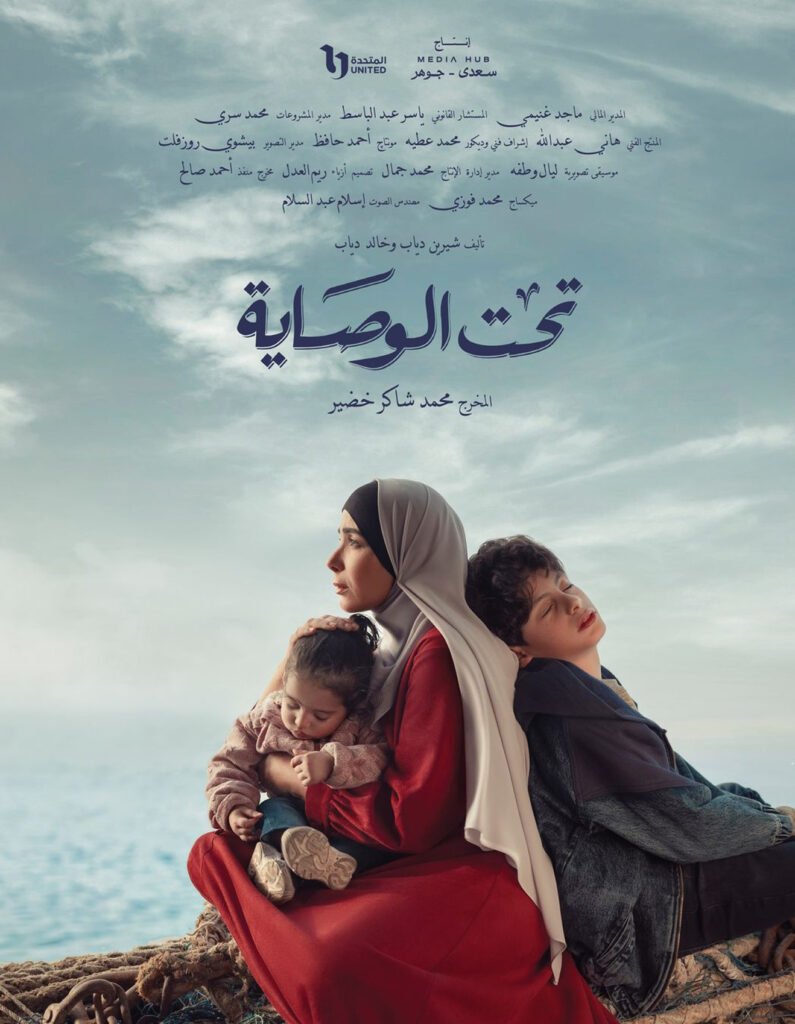
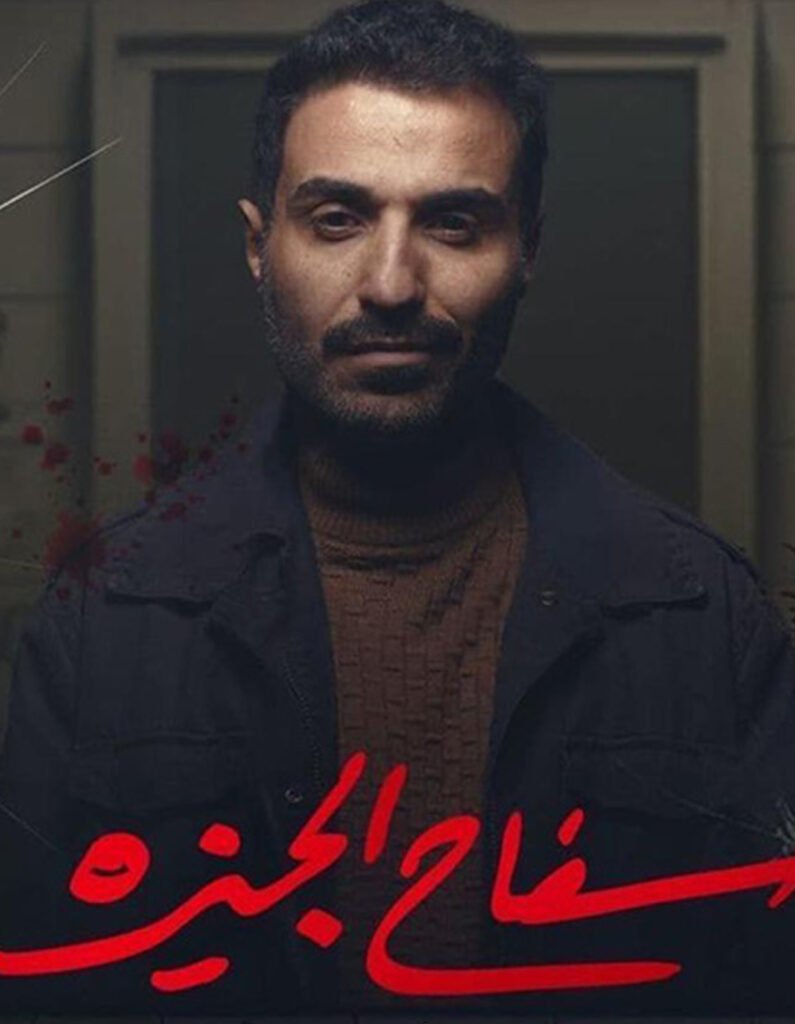
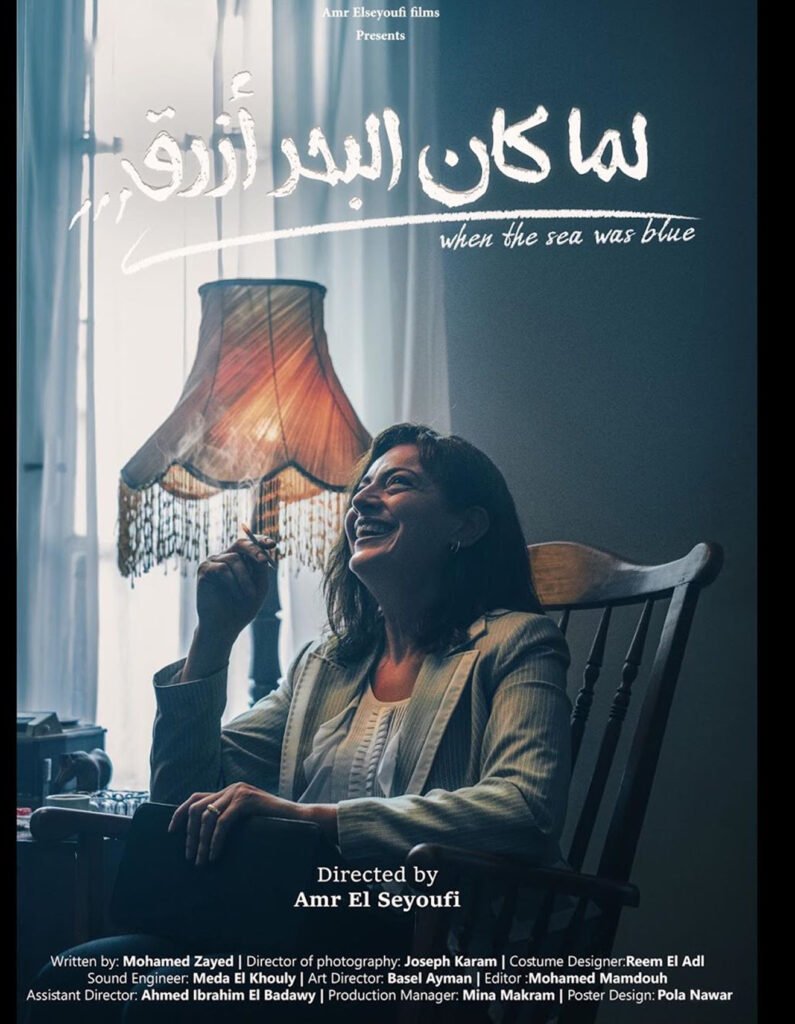
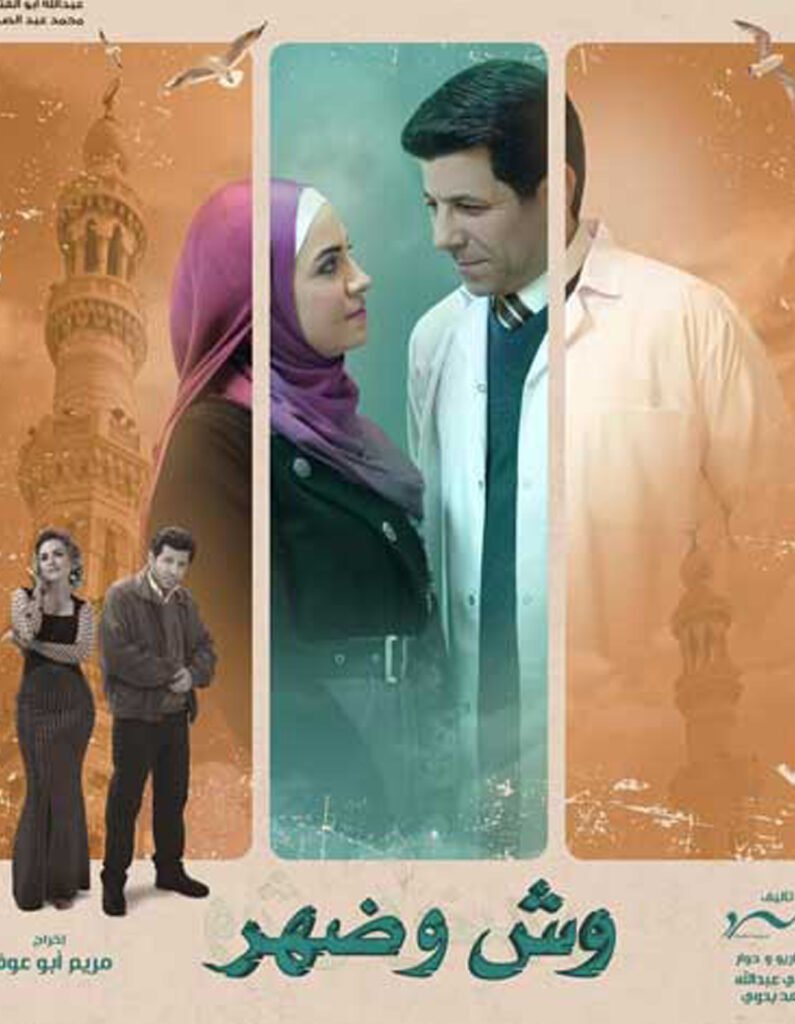
ريم العدل هي مصممة أزياء حائزة على العديد من الجوائز، وتشتهر بأعمالها المتميزة في السينما والتلفزيون والمسرح. تضم مسيرتها الفنية أفلاماً نالت استحسان النقاد مثل: نوارة، اشتباك، الشيخ جاكسون، ليل خارجي، الضيف، وأبو صدام. وفي التلفزيون، صممت أزياء مسلسلات بارزة مثل: واحة الغروب، سجن النسا، في كل أسبوع يوم جمعة، بطلوع الروح، وش وضهر، تحت الوصاية، وسفاح الجيزة.
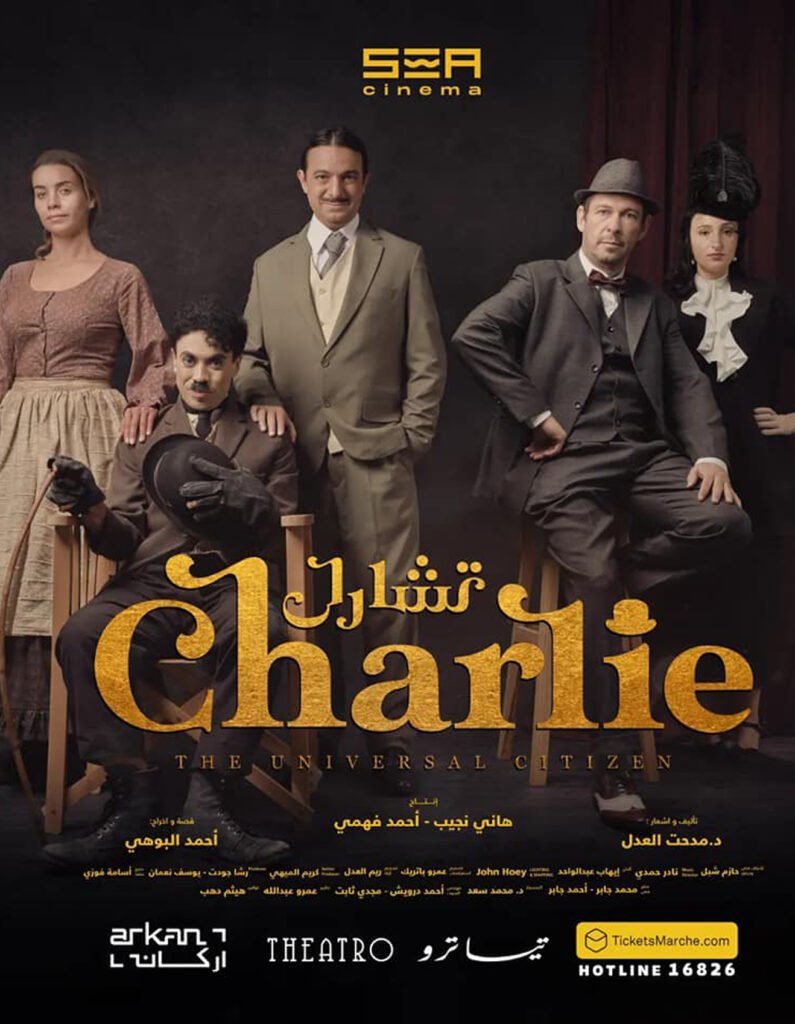
أما في المسرح، فقد شملت أعمالها تصميم أزياء العروض الموسيقية كوكو شانيل وتشارلي. نالت ريم العدل بفضل رؤيتها الفنية العديد من الجوائز، ومنها جائزة أفضل تصميم أزياء من مهرجان جمعية الفيلم السنوي والمهرجان القومي للسينما المصرية. كما شاركت كعضو لجنة تحكيم في مهرجان القاهرة السينمائي الدولي ومهرجان الإسكندرية للفيلم القصير.
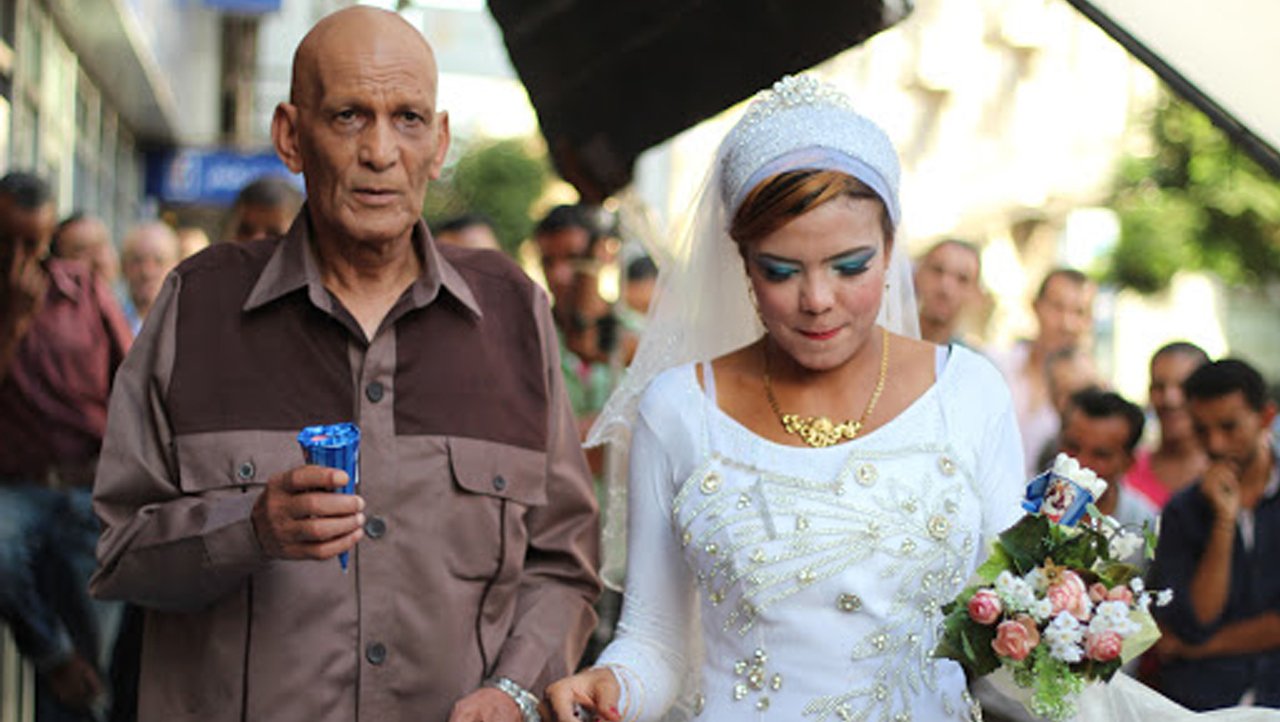
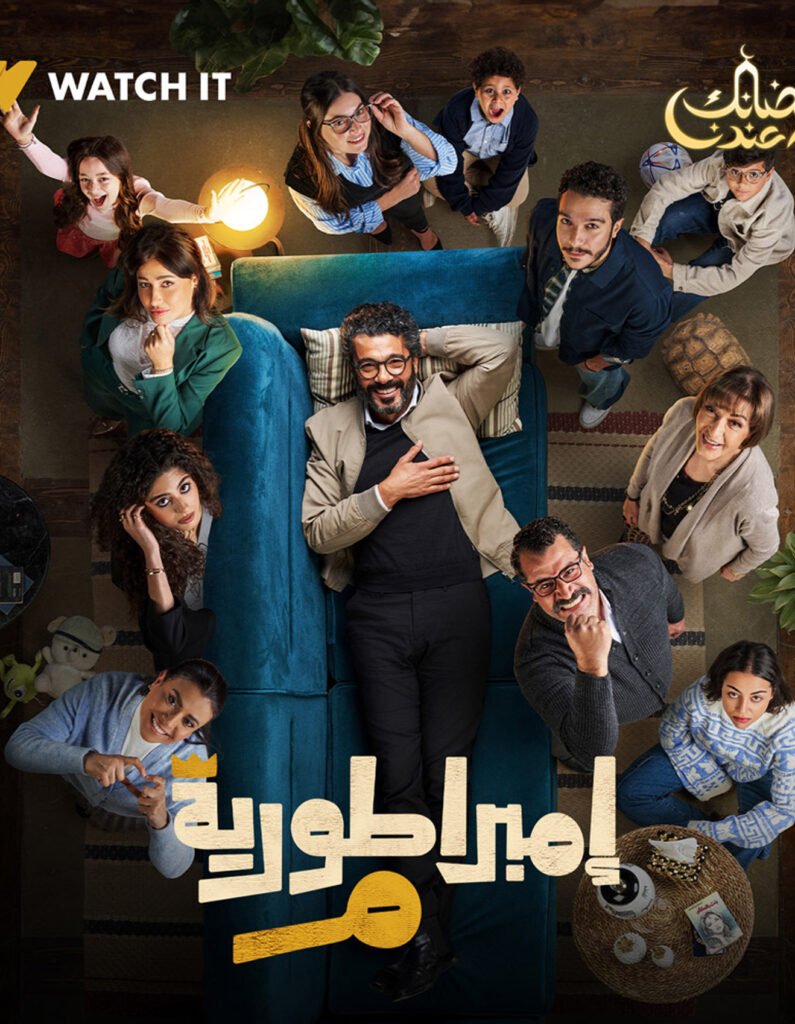
ومؤخراً، عُرضت تصاميمها في فيلم الرحلة الحتمية للبحث عن فستان الزفاف الذي يُعرض حالياً على منصة “شاهد”، وتضم مشاريعها القادمة فيلم قصص عابرة للمخرج أبو بكر شوقي، وفيلم أسد للمخرج محمد دياب.

عدد المحاضرات: ٨ جلسات
المكتب رقم ١٠، الطابق الثاني
المبنى رقم ٣٦٥٤، شارع أنس بن مالك
حي الياسمين، الرياض، المملكة العربية السعودية
جميع المحاضرات من الساعة 6 مساءً إلى 10 مساءً
يحق للمشاركين استرداد كامل الرسوم المدفوعة حتى 10 أغسطس 2026. يرجى ملاحظة أنه بعد هذا التاريخ، لن يتم إصدار أي مبالغ مستردة تحت أي ظرف من الظروف، حيث ستكون الترتيبات اللوجستية النهائية وتجهيزات المكان وتخصيص مقاعد المشاركين قد اكتملت.
Costume design is often overlooked in the filmmaking process, yet it plays a critical role in defining character, identity, and visual storytelling. This workshop introduces costume design as a powerful tool in narrative cinema, with a focus on short films but with principles that apply to projects of any scale.
Through research, illustration, mood boards, and hands-on collaboration, students will learn how to bring characters to life through wardrobe, working alongside other key departments such as cinematography and production design. The goal is to provide practical knowledge and artistic insight into integrating costume into every stage of film production.
The workshop begins by exploring the basics:
Students will be introduced to research techniques for costume design, learning how to discover and reflect a character’s identity through clothing choices. Authenticity is key—this phase focuses on creating real, believable people on screen.
Research Challenge: “1900 to 2021”
Each group selects a specific date and location (e.g., May 26, 1952 in Cairo), and designs the look of a full family (mother, father, child), including hair and makeup. The results will be presented and defended in class.
This section explores how costume interacts with the rest of the frame:
The class also reads a script aloud, analyzing it for visual and character clues. This collaborative analysis deepens understanding of how costume design supports narrative themes.
Research Challenge: “1900 to 2021”
Each group selects a specific date and location (e.g., May 26, 1952 in Cairo), and designs the look of a full family (mother, father, child), including hair and makeup. The results will be presented and defended in class.
This section explores how costume interacts with the rest of the frame:
The class also reads a script aloud, analyzing it for visual and character clues. This collaborative analysis deepens understanding of how costume design supports narrative themes.
Students will write character biographies, break down a short screenplay, and create a color palette for each main character.
Students begin developing their costume designs through sketches and mood boards. Illustration is introduced not just as an artistic tool, but as a way to communicate ideas clearly with directors, actors, and crew. They will learn various styles of costume illustration and how to develop visual references for tone, era, and setting.
This phase is about refining the design:
Students present updated sketches, mood boards, and fabric references sourced online.
To reflect on theory in practice, the class will watch a feature film (previously: Judy) and discuss its costume design. What worked? What didn’t? Why were specific choices made?
This section recaps the costume design journey from script to screen:
Students present their full design projects in a gallery-style critique, reflecting on what worked and what could be improved.
Each participant meets with Reem to discuss their character designs and thought process. This is an opportunity to get direct feedback on artistic direction and interpretation.
Students finalize their designs, incorporating all research, sketches, fabrics, and mood boards into a cohesive presentation. Final critiques take place in the last session, giving everyone a chance to showcase their creative growth and design process.
Reem El Adl is an award-winning costume designer renowned for her work across film, television, and theater. Her credits span acclaimed films such as Nawara, Clash, Sheikh Jackson, Ext. Night, The Guest, Abu Saddam. In television, she has designed for major series like Wahat El Ghoroub, Segn El Nesa, Fi Kol Esbou’ Youm Gomaa, Be Tolou’ El Rouh, Wesh W Dahr, Taht El Wesaya, and The Giza Killer. Her work in theater includes costume designs for the musicals Coco Chanel and Charlie. El Adl’s artistry has earned her numerous awards, including Best Costume Designer from the Annual Film Society Festival and the Egyptian National Film Festival. She has also served as a jury member at the Cairo International Film Festival and the Alexandria Short Film Festival. Most recently, her designs were featured in The Inevitable Journey to Find a Wedding Dress, now streaming on Shahid, with upcoming projects including Abu Bakr Shawky’s The Stories and Mohamed Diab’s Lion.
Office No. 10, Second Floor
Building No. 3654, Anas Bin Malik Road
Al Yasmin District, Riyadh, Kingdom of Saudi Arabia
All Lectures from 06 PM To 10 PM