
Filmmaking Workshop 2027
رحلةصناعة الفيلم
45 محاضرة في الإخراج والمونتاج والسيناريو والتصوير مع أمير رمسيس وحازم متولي وعمرو عابد وأمنية مصطفى ومحمود لطفي، تنتهي بمشاريع تخرج يُختار أفضلها ليُصوَّر ويُعرض بدعم مدرسة الفيلم العربي.
- البدايةالأحد 17 يناير 2027
- المواعيدالأحد والثلاثاء والخميس، 7 إلى 11 مساءً
- المدة4 أشهر ونصف
تتعلم على يد
- أمير رمسيستكنيك الإخراج السينمائي20 محاضرة
- حازم متوليالمونتاج من منظور المخرج8 محاضرات
- عمرو عابداللغة السمعية والبصرية8 محاضرات
- أمنية مصطفىكتابة السيناريو6 محاضرات
- محمود لطفيالتصوير السينمائي3 محاضرات
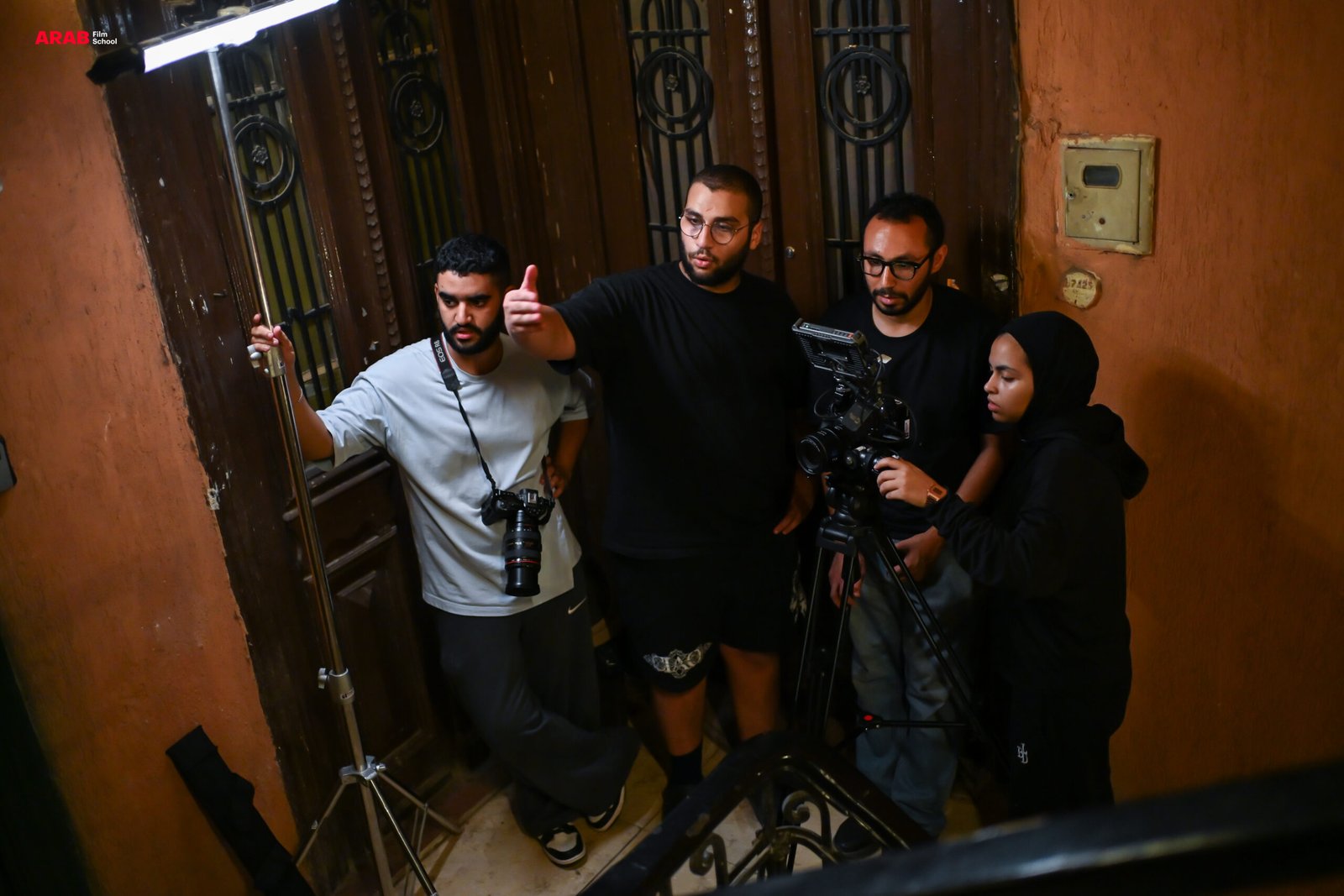
الرحلة في 4 مراحل
كل مرحلة تبني على التي قبلها، وبعض المواد تسير بالتوازي. طول كل مقطع على الخط يمثل عدد محاضراته.
- 1
تبدأ من غرفة المونتاج
قبل أن تمسك الكاميرا، تفهم كيف تُبنى المشاهد في المونتاج: لماذا نقطع هنا؟ ماذا نكشف للمشاهد؟ ومتى نطيل اللقطة؟
- 2
تكتب وتسمع وترى
كتابة السيناريو بالتوازي مع اللغة السمعية والبصرية، وتنتج خلالها فيلماً قصيراً من دقيقتين إلى خمس دقائق.
- 3
تُخرج
تكنيك الإخراج مع محاضرات التصوير: أحجام اللقطات، الحوار، حركة الممثل والكاميرا، العدسات والإضاءة، وتنتهي بإخراج مشهد درامي من 2 إلى 4 دقائق.
- 4
تحضّر فيلمك
تطوير مشاريع التخرج ومراجعة السيناريوهات وتقييم الأفكار، ثم اختيار المشروعات التي تنتقل إلى الإنتاج والتصوير.
المنهج بالتفصيل
45 محاضرة في 5 مواد. اختر المادة، واضغط على أي محاضرة لترى موضوعاتها والتمرين العملي.
المونتاج من منظور المخرج
مع المخرج حازم متولي، 8 محاضرات
الهدف أن تفهم كيف تُتخذ قرارات المونتاج: لماذا نقطع هنا؟ ماذا نكشف للمشاهد؟ متى نطيل اللقطة؟ وكيف يتغير معنى المشهد عندما نغيّر ترتيب اللقطات؟ والمحاضرات مبنية على كتاب Film Directing Shot by Shot.
01المونتاج يصنع المعنى
- كيف يتغير معنى اللقطة حسب اللقطة التي تليها.
- تجربة كوليشوف (Kuleshov Effect).
- الفرق بين معنى الصورة منفردة ومعناها داخل التسلسل.
سؤال المحاضرةهل تغيّر أداء الممثل فعلاً، أم أن المونتاج هو الذي جعلنا نفسر تعبيره بشكل مختلف؟
02الاستمرارية الزمنية (Temporal Continuity)
- ترتيب الأحداث داخل الزمن.
- القطع أثناء الحركة (Cut on Action).
- حذف الزمن غير الضروري.
- المحافظة على وضوح الفعل ونتيجته.
سؤال المحاضرةكيف نحذف الوقت دون أن نفقد إحساس المشاهد بالفعل؟
03الاستمرارية المكانية (Spatial Continuity)
- كيف يفهم المشاهد موقع الشخصيات.
- الانتقال من اللقطة العامة إلى التفاصيل.
- علاقة أحجام اللقطات ببعضها.
- متى يؤدي القطع إلى إرباك المكان؟
سؤال المحاضرةأي نسخة جعلت المشاهد يفهم المكان بأقل عدد من اللقطات؟
04الاستمرارية المنطقية (Logical Connections)
- كيف يستنتج المشاهد معلومات لم يرها مباشرة.
- الربط بين اللقطات عن طريق الدلالة.
- استخدام التفاصيل لبناء الفهم.
- ما الذي يجب إظهاره، وما الذي يمكن تركه للاستنتاج؟
سؤال المحاضرةكيف يجعل المونتاج المشاهد يستنتج وجود سر دون أن نشرحه بالحوار؟
05تدفق اللقطات والإيقاع (Shot Flow)
- العلاقة بين حجم اللقطة وتدفق المشهد.
- الإيقاع الناتج عن ترتيب اللقطات.
- الانتقال بين العام والمتوسط والقريب.
- كيف يؤثر طول اللقطة في إحساس المشاهد؟
سؤال المحاضرةكيف غيّر الإيقاع إحساسنا بمدة الانتظار، رغم أن الحدث نفسه لم يتغير؟
06المونتاج كسؤال وإجابة
- كيف تطرح اللقطة سؤالاً بصرياً.
- متى تقدم الإجابة؟
- تأخير المعلومة أو حجبها.
- ترتيب المعلومات لخلق الفضول.
سؤال المحاضرةفي أي نسخة شعر المشاهد بتوتر أكبر؟ وما المعلومة التي كان ينتظرها؟
07بناء التشويق والتحكم في المعلومات
- الفرق بين معرفة المشاهد ومعرفة الشخصية.
- الكشف المبكر والمتأخر.
- ترتيب اللقطات لخلق التوقع أو المفاجأة.
- كيف يتغير معنى الحدث بتغيير ترتيب المعلومات؟
سؤال المحاضرةكيف يغيّر اختلاف المعلومات بين المشاهد والشخصية نوع التوتر؟
08التغطية وقرارات المونتاج (Coverage)
- ما الذي يحتاج المخرج إلى تصويره ليملك خيارات في المونتاج؟
- اللقطة الرئيسية (Master Shot).
- اللقطات القريبة والتفاصيل وردود الفعل.
- الفرق بين التصوير وفق خطة محددة والتغطية متعددة الزوايا.
سؤال المحاضرةما القرارات التي لم يكن ممكناً اتخاذها في المونتاج لو لم نصور اللقطات الإضافية؟
اللغة السمعية والبصرية
مع عمرو عابد، 8 محاضرات
محاضرات مكثفة وعملية تستكشف العلاقة بين الصوت والصورة، وكيف يُوظَّفان معاً لصناعة المعنى والمشاعر والإيقاع داخل الفيلم.
ما الذي ستجربه
- كيف لا يتشكل المعنى مما نراه فقط، بل مما نسمعه أيضاً.
- متى يتكامل الصوت مع الصورة، ومتى يتعارضان لخلق دلالة وتأثير مختلفين.
- اللعب بالصوت والصورة والزمن، وإعادة تشكيل المادة الفيلمية للوصول إلى معانٍ وتجارب شعورية متنوعة.
بنهاية المحاضراتفهم أعمق للصوت والصورة كأداتين أساسيتين للسرد السينمائي، وقدرة على توظيفهما بوعي وحساسية أكبر في أعمالك.
تكنيك الإخراج السينمائي
مع أمير رمسيس، 20 محاضرة
من قراءة المشهد إلى تصميمه وتنفيذه: أحجام اللقطات، إخراج الحوار، حركة الممثل والكاميرا، التأطير، والانتقالات. هذه محاورها العشرة.
01التفكير البصري والتحضير للإخراج
كيف يحوّل المخرج النص المكتوب إلى رؤية بصرية واضحة قبل بدء التصوير.
- الفرق بين قراءة المشهد وتخيّله بصرياً.
- أسلوب الاستمرارية السينمائية (Continuity Style).
- دور مدير التصميم الفني في تشكيل العالم البصري للفيلم.
- استخدام الـ Storyboard لتخطيط المشاهد واللقطات.
- أدوات التصور المسبق: الرسومات، الصور المرجعية، الفيديو التجريبي والمجسمات.
- مراحل العمل من السيناريو إلى تصميم الإنتاج والتحضير للتصوير والمونتاج.
- التعاون بين المخرج ومدير التصوير ومصمم الإنتاج والمونتير.
النتيجةتفهم أن الإخراج يبدأ باتخاذ قرارات بصرية، وليس بمجرد اختيار الكاميرا والعدسة.
02أحجام اللقطات وعلاقات الصورة والمونتاج
كيف تتصل اللقطات مكانياً وزمنياً لتكوين مشهد مفهوم ومؤثر.
- اللقطة العامة (Long Shot) والمتوسطة (Medium Shot) والقريبة (Close-up).
- اللقطة الكاملة وعلاقتها بالممثل والمكان.
- كيف يغيّر حجم اللقطة إحساس المشاهد بالموقف.
- خط الحركة وخط النظر وقاعدة 180 درجة.
- نظام المثلث لتحديد مواقع الكاميرا حول خط الحركة.
- الاستمرارية المكانية والزمنية، وعلاقة السبب والنتيجة.
- أنماط السؤال والإجابة في المونتاج.
- القطع أثناء الحركة (Cutting on Action) وتدفق اللقطات (Shot Flow).
النتيجةتبني تسلسل لقطات واضحاً، وتعرف لماذا تختار كل حجم لقطة ومتى تنتقل إلى اللقطة التالية.
03إخراج مشاهد الحوار بين شخصيتين
كيف نحوّل الحوار المكتوب إلى علاقة بصرية بين الشخصيات، وليس مجرد تبادل للكلام.
- مفهوم الـ Staging: توزيع الممثلين والكاميرا داخل المكان.
- اللقطة الرئيسية (Master Shot) واللقطة الثنائية (Two-Shot).
- اللقطات من فوق الكتف (Over-the-Shoulder) ونظام Shot / Reverse Shot.
- العلاقة بين اتجاه النظر وموقع الكاميرا.
- المواجهة الأمامية للممثل (Frontality) ومتى تصبح مسرحية.
- الفرق بين تصوير الحوار لتغطية الأداء وتصويره للتعبير عن العلاقة.
- تصوير رد الفعل (Reaction) بدلاً من التركيز الدائم على المتحدث.
النتيجةتصمم مشهد حوار متكاملاً، مع الحفاظ على وضوح المكان وإظهار التوتر بين الشخصيات.
04إخراج مشاهد الحوار الجماعي
التحكم في العلاقات بين ثلاث شخصيات أو أكثر، مع الحفاظ على وضوح المشهد.
- أنماط توزيع الشخصيات: I وA وL.
- الفرق بين وجود الشخصية الثالثة بين شخصيتين ووقوفها خارج العلاقة المباشرة بينهما.
- تحديد الشخصيات الرئيسية في المشهد قبل وضع الكاميرا.
- اختيار زاوية تصوير تكشف علاقات القوة والسيطرة.
- توزيع اللقطات الرئيسية والثنائية والفردية، والتحكم في خطوط النظر داخل المجموعة.
- تصوير المشاهد الجماعية دون الحاجة إلى تغطية كل شخصية من كل زاوية.
- التكوين غير المتناظر (Asymmetrical Composition).
- تصوير التجمعات والحشود واستخدام العدسات المناسبة.
النتيجةتبسّط مشهداً جماعياً معقداً، وتختار اللقطات التي تخدم العلاقات الدرامية بدلاً من تصوير الجميع بالطريقة نفسها.
05حركة الممثل وعمق الكادر
بناء المشهد باستخدام حركة الممثل داخل الكادر، وتوزيع العناصر على مستويات العمق.
- الإخراج بالحركة (Mobile Staging): متى يتحرك الممثل ومتى تتحرك الكاميرا؟
- ضرورة أن يكون لحركة الممثل دافع درامي.
- توزيع العناصر في المقدمة والوسط والخلفية (Foreground / Middleground / Background).
- دائرة الفعل الدرامي (Dramatic Circle of Action).
- الفرق بين وضع الممثلين في العمق واستخدام عمق المجال (Deep Focus).
- علاقة موقع الكاميرا بإحساس المشاهد بالقرب من الشخصية أو الابتعاد عنها.
- كيف يعكس توزيع الشخصيات داخل المكان العزلة أو السيطرة أو التوتر.
- تصميم مشهد متصل طويل بدلاً من تقسيم كل حركة إلى لقطة مستقلة.
النتيجةتدرك أن المكان نفسه يمكن أن يروي القصة، وأن حركة الممثل عنصر من عناصر التكوين وليست مجرد انتقال من نقطة إلى أخرى.
06زوايا الكاميرا والتأطير ووجهة النظر
كيف تؤثر زاوية الرؤية وحدود الكادر في فهم الشخصية والموقف.
- الزوايا المرتفعة والمنخفضة ومستوى العين، وعلاقتها بالإحساس بالقوة والضعف.
- استخدام الزاوية لتقديم المعلومات أو إخفائها.
- التأطير المفتوح (Open Framing) والتأطير المغلق (Closed Framing).
- استخدام الأبواب والنوافذ والمرايا والعناصر المحيطة في تشكيل الكادر.
- وضع الشخصية داخل الكادر وخارجه، وعلاقته بالمساحة الدرامية.
- وجهة نظر الشخصية (POV)، والفرق بين ما تراه الشخصية وما يراه المشاهد.
- التأطير الذاتي الذي يقرّب المشاهد من تجربة الشخصية.
النتيجةتختار زاوية الكاميرا والتأطير بناءً على المعلومة والإحساس المطلوبين، لا لمجرد التنويع البصري.
07حركات الكاميرا: Pan وCrane
تصميم حركة الكاميرا بحيث تكشف المعلومات وتوجّه انتباه المشاهد.
- الـ Pan: دوران الكاميرا أفقياً من موقع ثابت لمتابعة الشخصية أو كشف عنصر جديد.
- الحركة التي تبدأ من معلومة وتنتهي عند معلومة أخرى.
- الـ Tilt كامتداد عملي لفهم الحركة من موقع ثابت.
- الـ Crane Shot: تغيير الارتفاع والموقع باستخدام رافعة.
- الانتقال من التفاصيل إلى الصورة الأوسع أو العكس.
- الفرق بين حركة تستجيب للفعل وحركة تكشف معلومات جديدة.
- توقيت بدء الحركة ونهايتها وسرعتها، وأن يكون لكل حركة سبب بصري أو درامي واضح.
النتيجةتصمم حركة لها بداية وهدف ونهاية، بدلاً من تحريك الكاميرا لمجرد جعل الصورة أكثر ديناميكية.
08الـ Tracking Shot وتصميم حركة الكاميرا والممثل
تصميم لقطة متحركة تتفاعل فيها حركة الكاميرا مع حركة الممثل وتغيرات المكان.
- الفرق بين الكاميرا الثابتة والكاميرا المتحركة.
- حركة التتبع للأمام والخلف وبجوار الشخصية، واقتراب الشخصية من الكاميرا وابتعادها عنها.
- تغيير حجم اللقطة أثناء الحركة دون قطع.
- تصميم مسارات الممثل والكاميرا قبل التصوير.
- الانتقال بين شخصيات متعددة داخل لقطة واحدة.
- استخدام الأبواب والممرات والعوائق لتكوين الكادر أثناء الحركة.
- الحركة الذاتية (Subjective Tracking) التي تجعل المشاهد يختبر الحدث من منظور الشخصية.
- التنسيق بين الأداء والعدسة ومسار الكاميرا وسرعتها، ومتى تدمج عدة تكوينات في لقطة طويلة واحدة.
النتيجةتخطط لقطة متحركة من بدايتها إلى نهايتها، مع تنسيق حركة الممثل والكاميرا والتكوين داخل الكادر.
09الانتقالات والشكل البصري للفيلم
كيف ترتبط اللقطات والمشاهد ببعضها لتكوين إيقاع وشكل بصري متماسك.
- القطع المباشر (Cut)، والمزج (Dissolve)، والمسح (Wipe).
- التلاشي من السواد وإليه (Fade In / Fade Out)، والانتقالات إلى الأبيض والخروج منه.
- القطع المتطابق بصرياً (Match Cut).
- العلاقة بين الانتقال والزمن والمكان.
- الفرق بين الانتقال الذي يربط صورتين والانتقال الذي يفصل بين مشهدين.
- دور المونتاج في خلق الإيقاع وتوجيه توقعات المشاهد.
- مفهوم الـ Format وكيف يؤثر شكل الصورة في تصميم الكادر وتوزيع العناصر.
- الحفاظ على وحدة اللغة البصرية عبر الفيلم.
النتيجةتفهم أن الانتقال جزء من السرد والإخراج، وأن طريقة الربط بين اللقطات تغيّر الإحساس بالزمن والعلاقة بين الأحداث.
10تصميم المشهد الكامل والمراجعة النهائية
دمج جميع أدوات الإخراج في خطة واحدة متماسكة تخدم المشهد الدرامي.
- اللقطة الختامية (Parting Shot) وأثرها العاطفي أو الفكري، والصورة التي ينتهي عندها المشهد.
- مراجعة علاقة حجم اللقطة بالتكوين وحركة الممثل.
- مراجعة خط الحركة والاستمرارية البصرية.
- دمج التكوين الثابت مع حركة الكاميرا عند الحاجة.
- اختيار اللقطات بناءً على تطور الحدث، وليس الرغبة في التنويع.
- تقييم الـ Storyboard قبل التصوير، والتفكير في المونتاج منذ مرحلة تصميم اللقطات.
النتيجةتحوّل مشهداً مكتوباً إلى عمل بصري متكامل، وتبرر اختياراتك الإخراجية.
كتابة السيناريو
مع أمنية مصطفى، 6 محاضرات
تبدأ بالمبادئ الأساسية لكتابة سيناريو الفيلم القصير، ثم تنتقل إلى تطوير ما كتبته وتحسينه.
أساسيات الكتابة السينمائية
- الفرق بين سيناريو الفيلم الروائي الطويل والفيلم القصير في البناء الدرامي وتطوير الشخصيات وطبيعة السرد.
- تحليل سيناريو الفيلم القصير: فهم عناصره الدرامية، وبناء قصة متكاملة ومؤثرة في إطار زمني محدود.
- تطوير الفكرة: بلورتها وصياغتها بصورة واضحة ومكثفة، لتتطور إلى قصة سينمائية قابلة للتنفيذ.
- المدة والميزانية والجدول الزمني: العلاقة بين مدة الفيلم وتكلفة الإنتاج ووقت التنفيذ، وكيف تراعيها أثناء الكتابة.
تطوير السيناريو
- مراجعة السيناريو وتطويره: تحسين البناء الدرامي، وتماسك الأحداث، وتطور الشخصيات.
- اختيار المكان والزمان: البيئة التي تخدم القصة وتعزز أبعادها، بما يناسب طبيعة الفيلم وإمكانات إنتاجه.
التصوير السينمائي واللغة البصرية
مع محمود لطفي، 3 محاضرات
المبادئ التي يحتاجها صانع الفيلم ليوظّف الصورة في التعبير عن رؤيته وخدمة السرد الدرامي.
- التواصل البصري بين المخرج ومدير التصوير والفريق الفني، وكيف تُترجم الرؤية الإخراجية إلى صورة.
- دور المخرج في تحديد الرؤية وتوجيه الأداء، ودور مدير التصوير في الكادر وحركة الكاميرا والإضاءة والمعالجة البصرية.
- اختيار الأسلوب البصري المناسب لطبيعة القصة وأجوائها وأهدافها.
- أنواع العدسات السينمائية واختيارها حسب حجم اللقطة والمنظور والعمق والتأثير الدرامي.
- أساسيات الإضاءة: توزيع المصادر، والتباين العالي والمنخفض، والتصوير بالأبيض والأسود.
- الاستفادة الفعالة من معدات التصوير والإضاءة المتاحة.
- منهجية التحضير للتصوير، من تحليل المشاهد إلى اختيار أسلوب يجذب الجمهور ويدمجه في السرد.
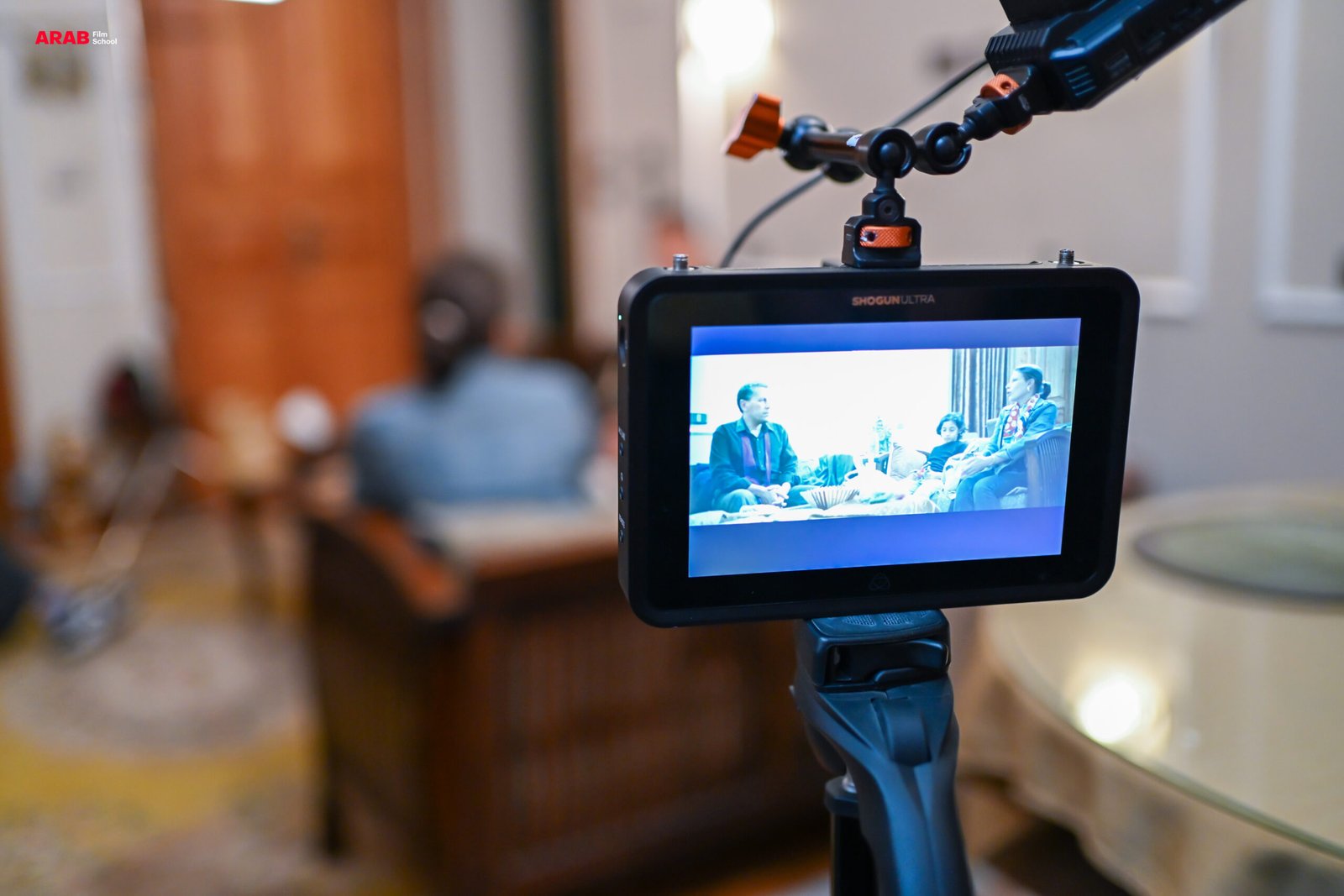
من داخل الورشة
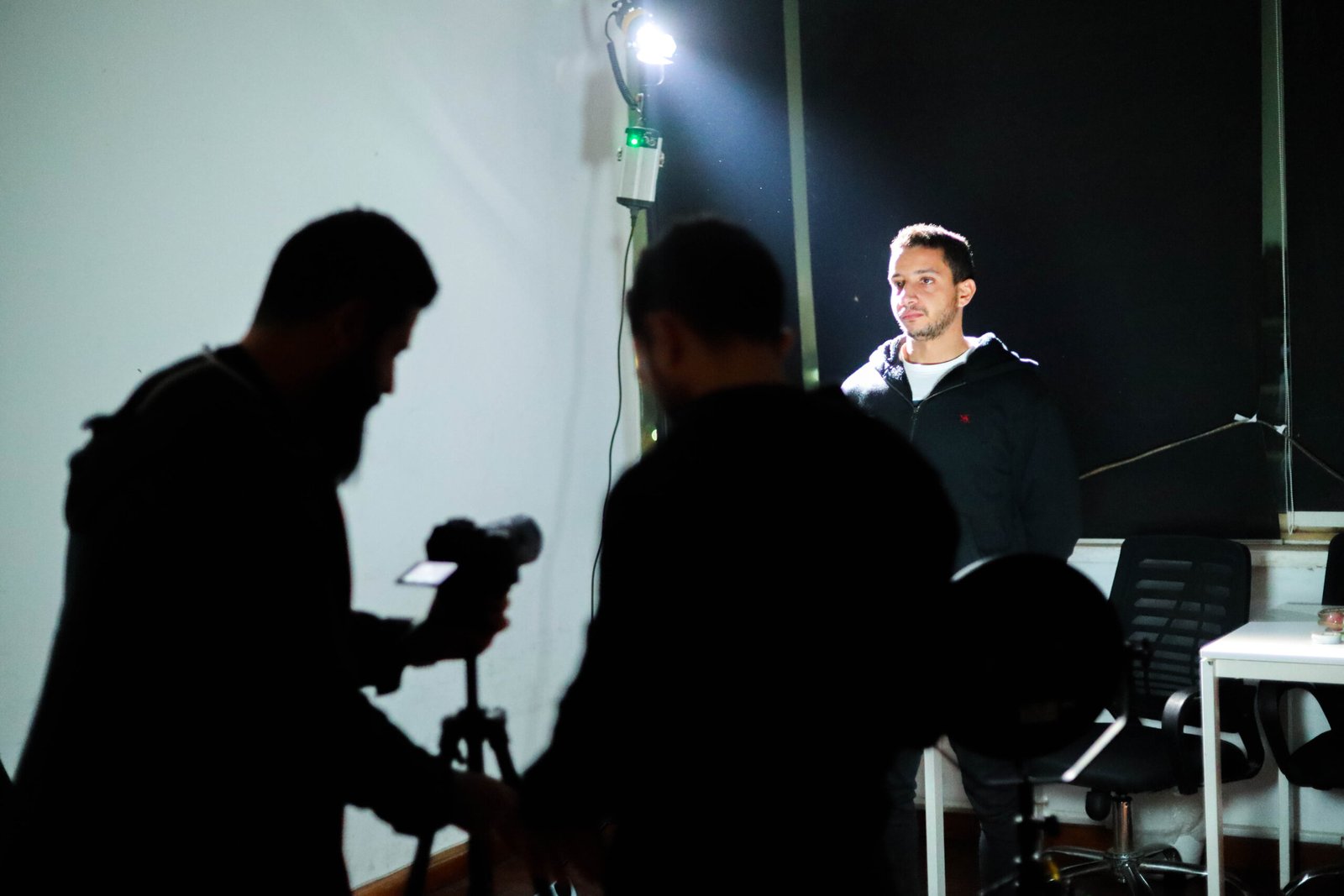
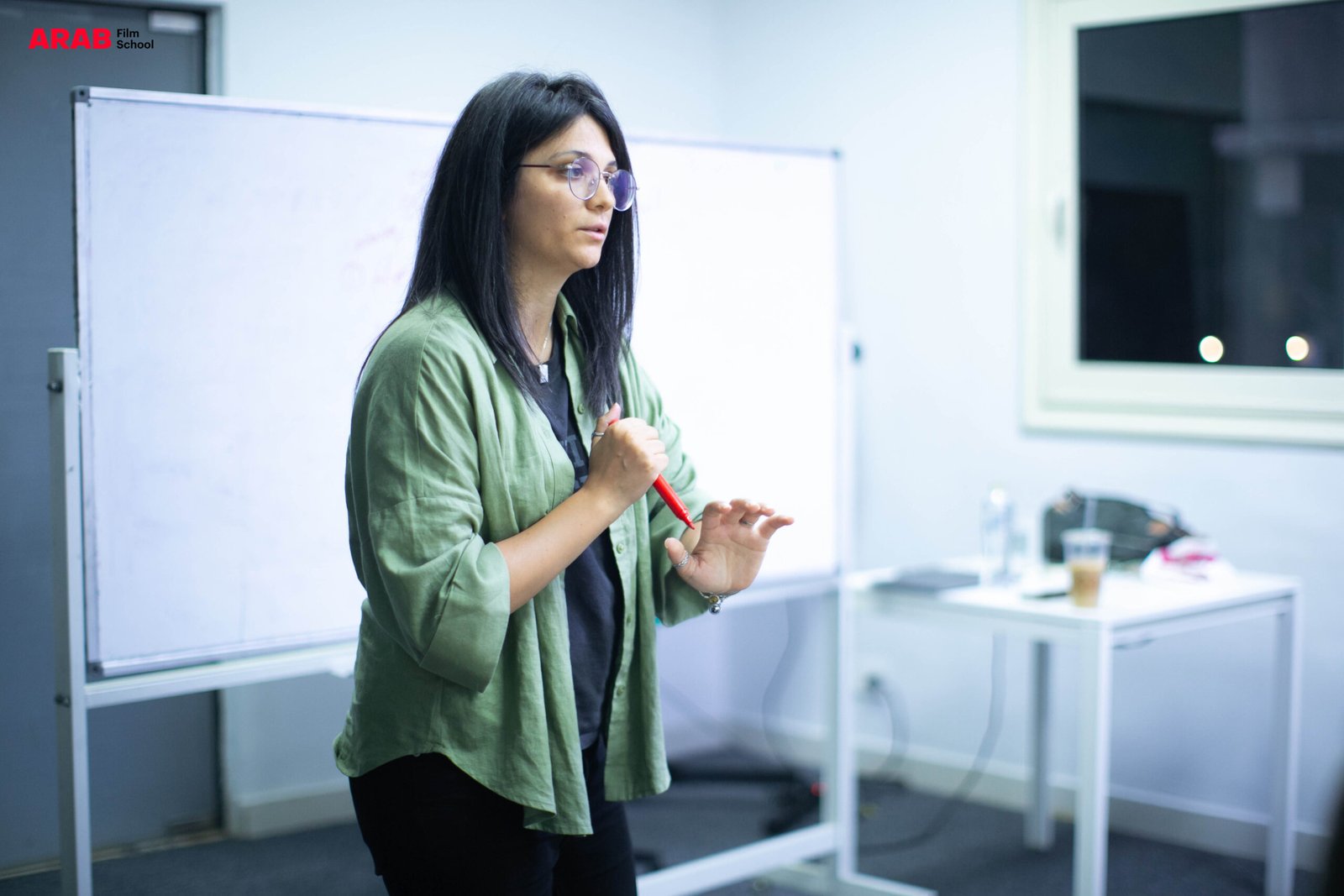
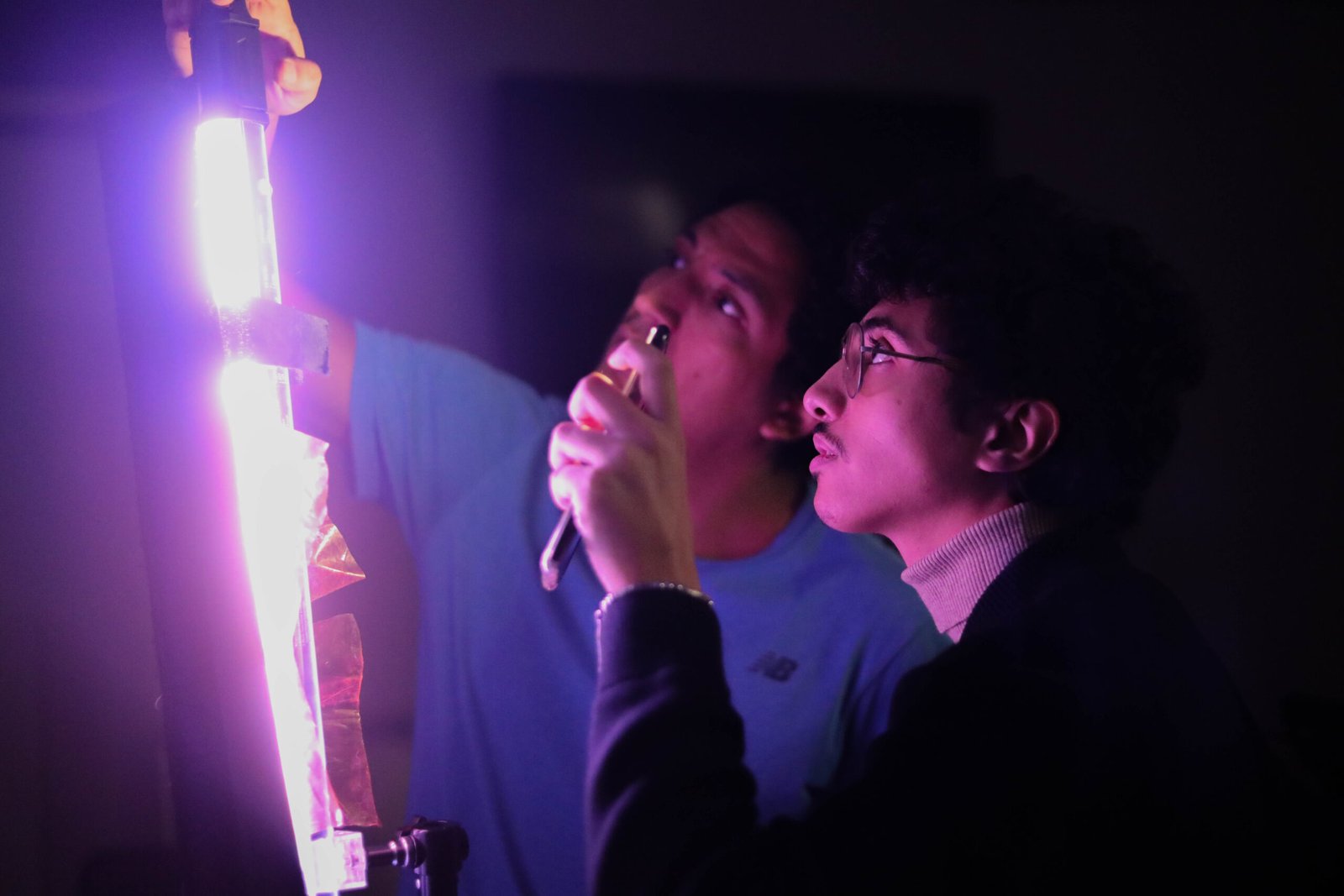
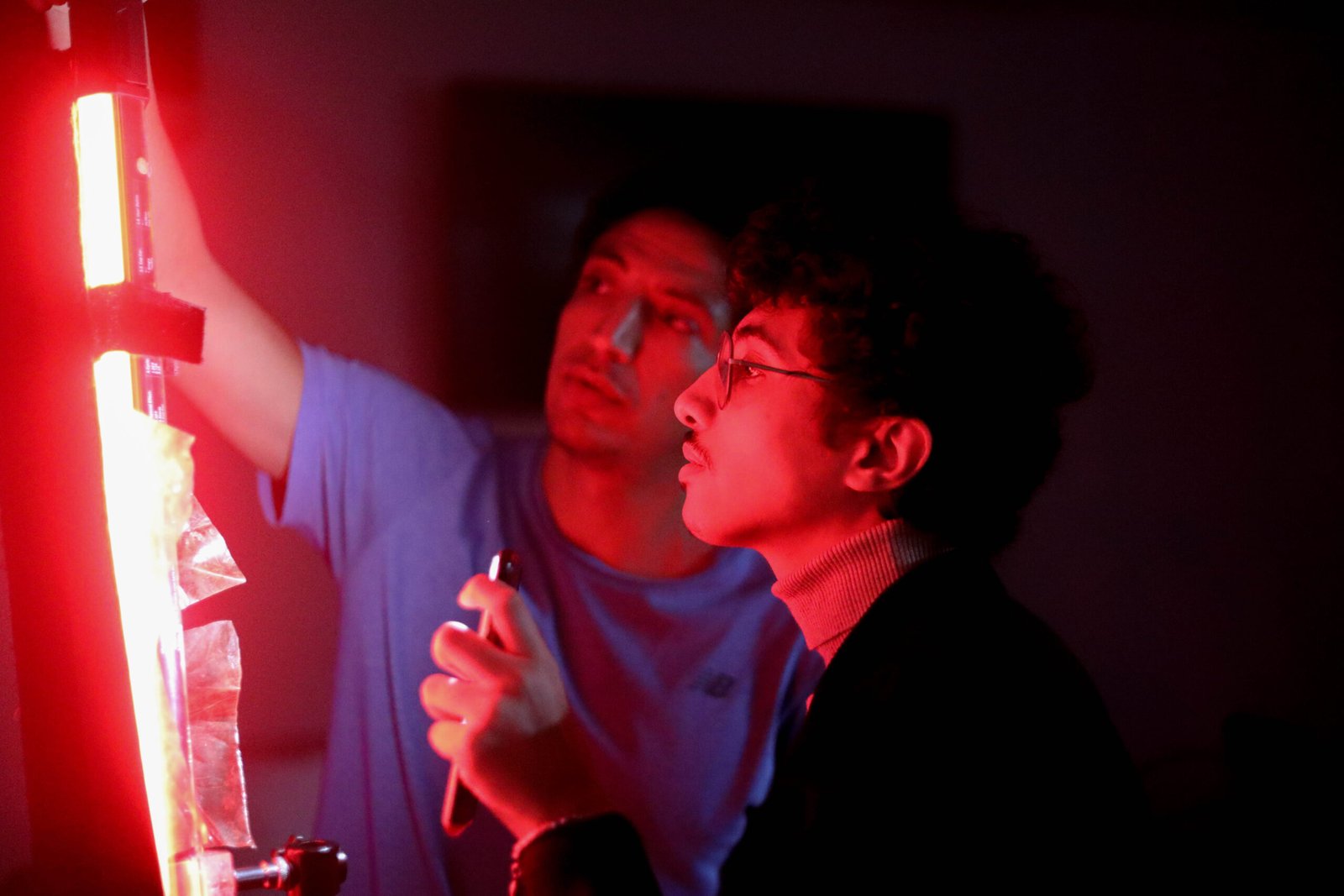
شاهد ما يصنعه الطلاب: أفلام تخرج الدفعات السابقة، وتاسك عملي يُظهر مستواهم بعد فترة التدريب.
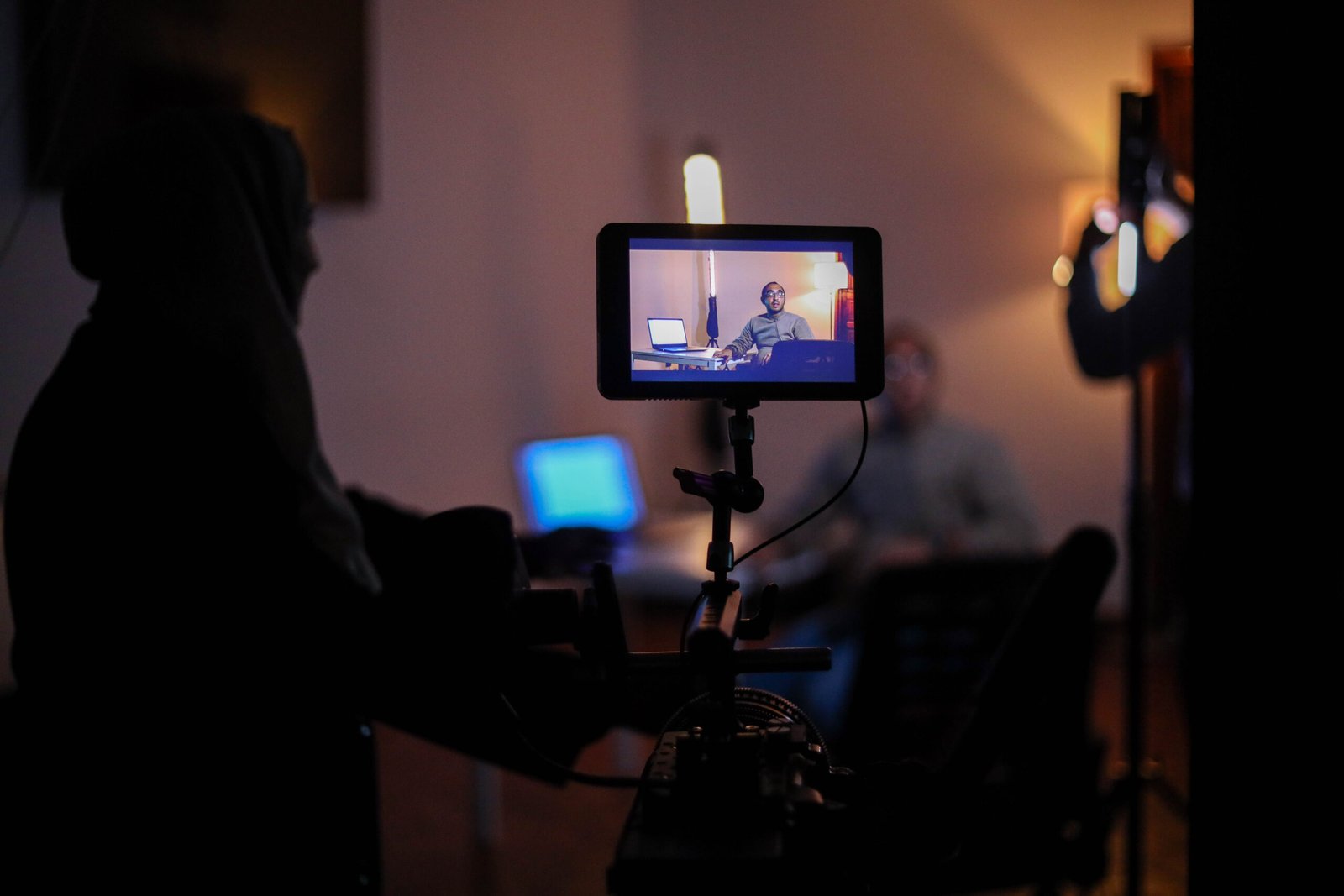
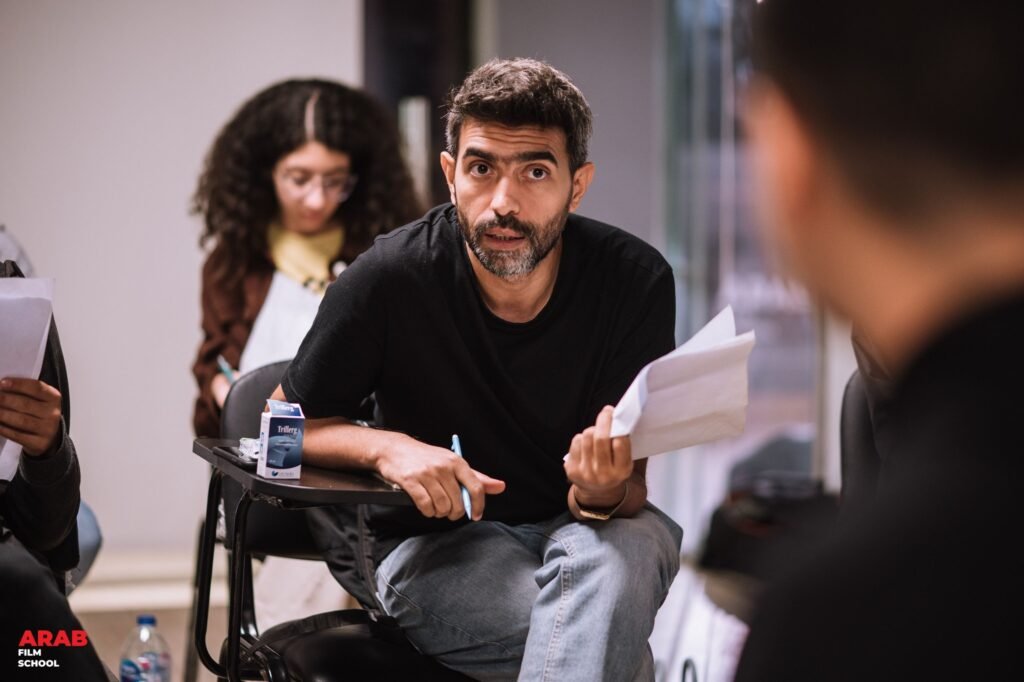
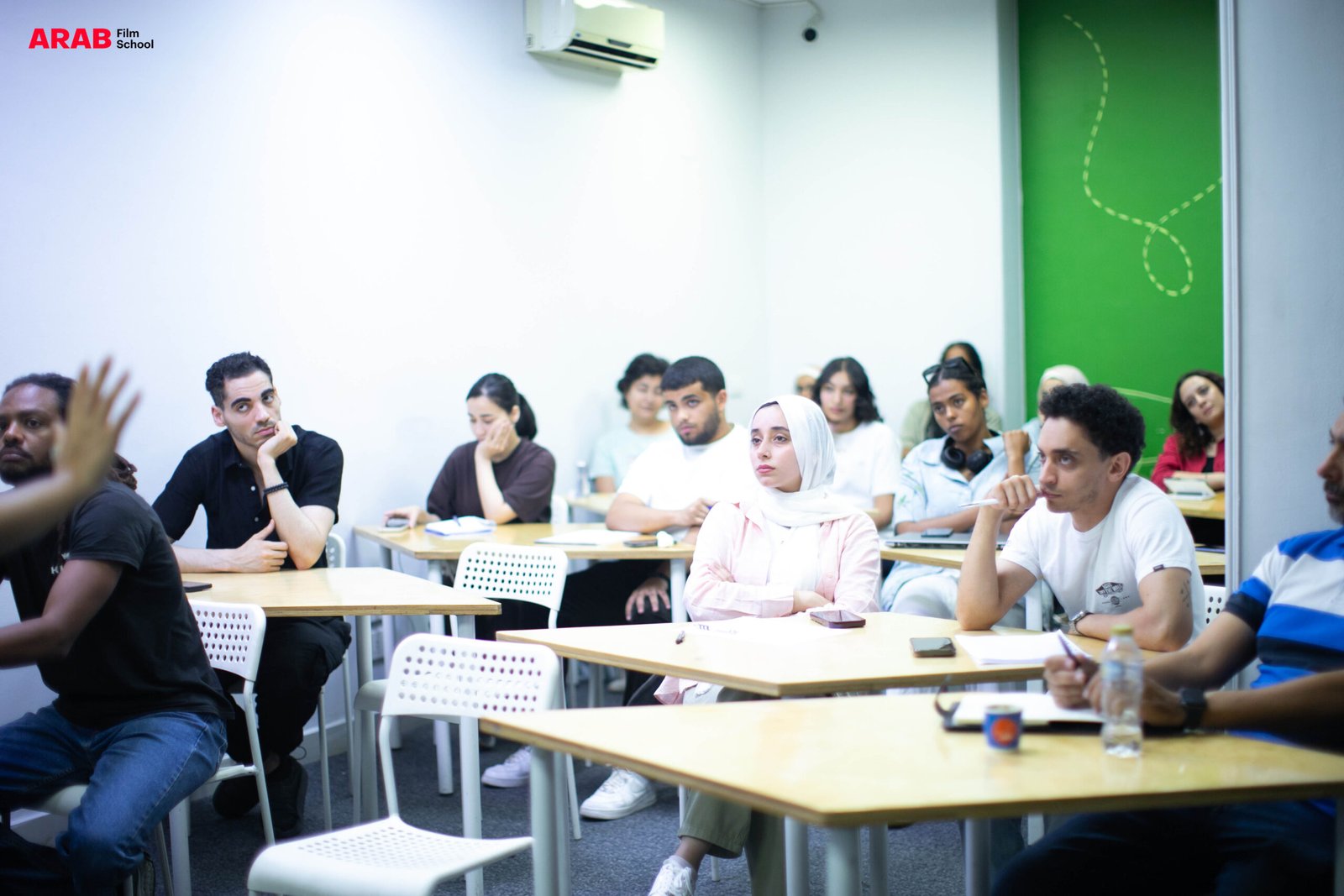
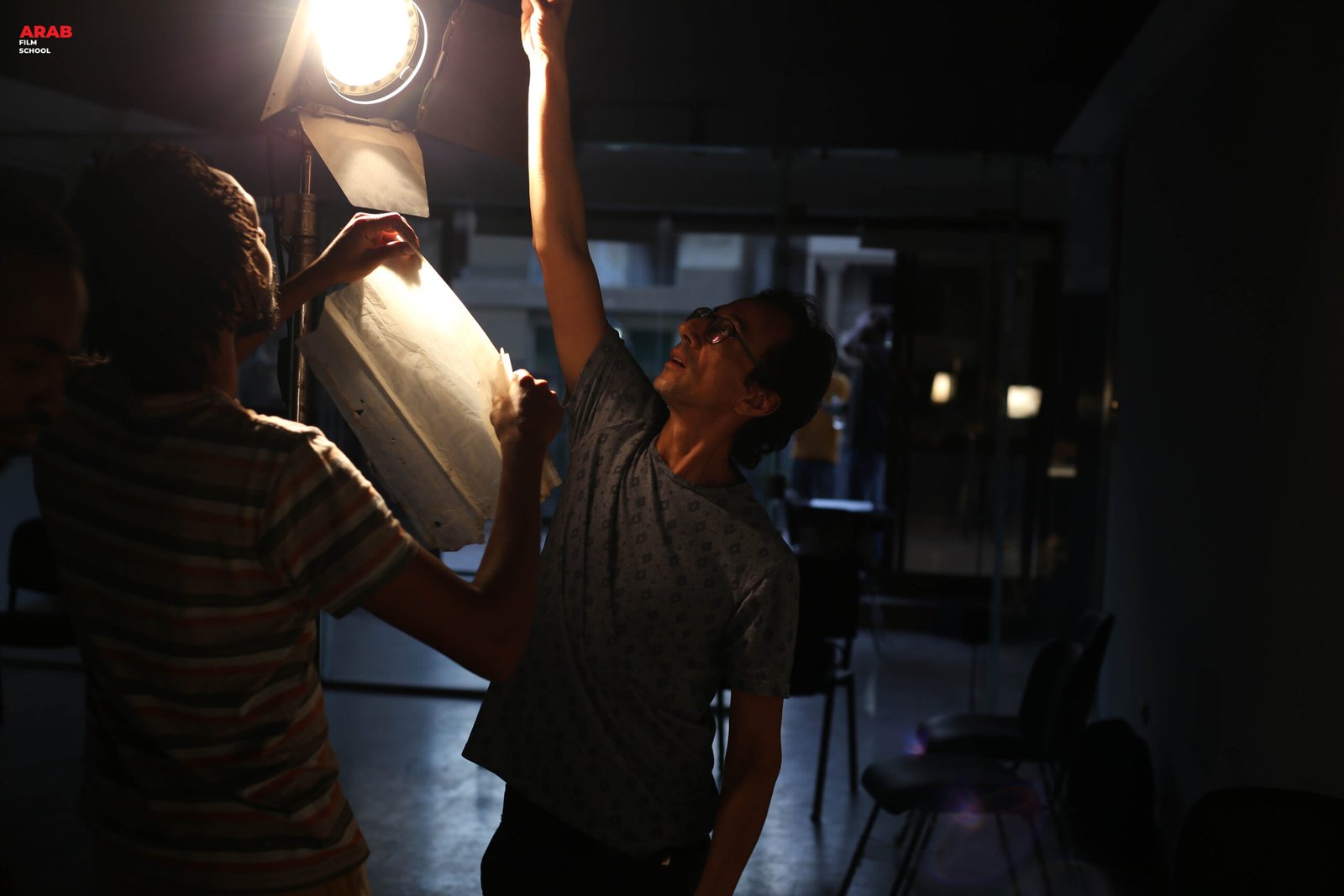
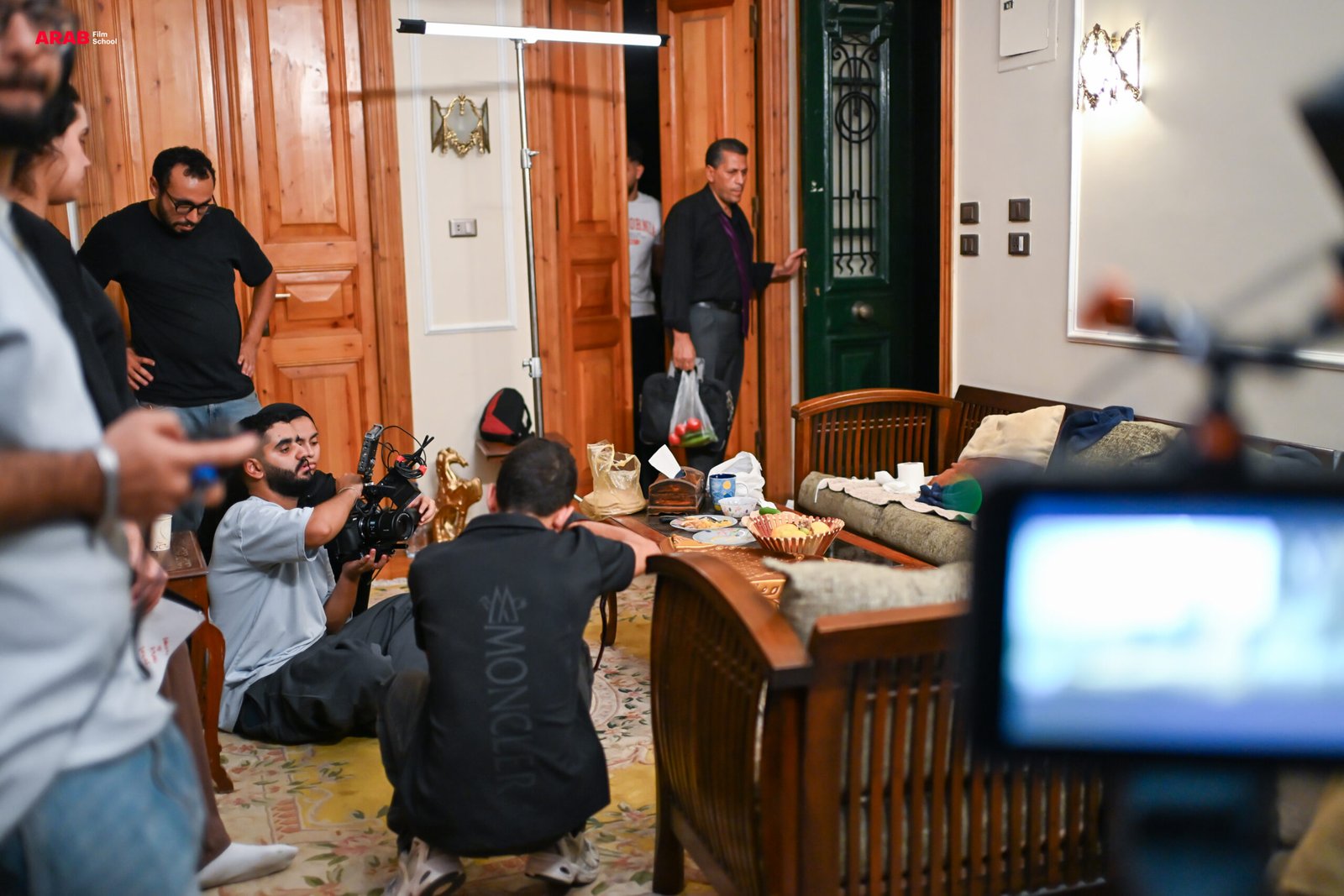
من السيناريو إلى شاشة العرض
في المرحلة الأخيرة تتحول المشاريع المختارة إلى أفلام قصيرة مكتملة، والمدرسة توفر الإنتاج من أول يوم تصوير حتى العرض. عليك تكلفة موقع التصوير فقط.
-
1
ما قبل الإنتاجPre-Production
تنتهي من السيناريو، وتناقش الميزانية وتكيّف المشروع مع الإمكانات المتاحة. من 4 إلى 6 محاضرات مشتركة لتطوير السيناريو والرؤية الإخراجية مع أمنية مصطفى، وجلسات فردية لكل مشروع.
-
2
التصويرShooting
يوم تصوير متكامل بفريق عمل محترف ومعدات سينمائية، لتنفذ رؤيتك في بيئة إنتاج احترافية.
-
3
ما بعد الإنتاجPost-Production
جلسات مع شركة متخصصة في خدمات ما بعد الإنتاج لاستكمال الفيلم وفق المعايير الفنية.
-
4
العرضScreening
عرض خاص للأفلام بحضور فنانين ومخرجين ومنتجين ومتخصصين في صناعة السينما، والعمل على مشاركة الأفلام في المهرجانات السينمائية الدولية المناسبة.
4 إلى 6أفلام تُنتج في كل دفعة
يُختار المشروع بناءً على أدائك الفعلي طوال البرنامج، وليس على جودة الفكرة وحدها:
- تقييم كل مدرب لمستواك واستيعابك وتطورك في مرحلته.
- تقييم مشروعك فنياً ودرامياً، ومدى وضوح رؤيته وقابليته للتنفيذ بالإمكانات المتاحة.
- التزامك بالمهام العملية، وقدرتك على تطبيق ما تعلمته والاستجابة للملاحظات من مهمة إلى أخرى.
ويقيّم الطلاب المدربين بشكل سري، لتتابع المدرسة جودة التدريب وتطوّره.
احجز مكانك في دفعة يناير
رسوم الورشة
54,000جنيه مصري
يتأكد حجزك بدفع 50% من الرسوم، أي 27,000 جنيه.
احجز مكانك عبر واتساب- تبدأ
- الأحد 17 يناير 2027
- الأيام
- الأحد والثلاثاء والخميس
- الوقت
- من 7:00 إلى 11:00 مساءً
- المدة
- 4 أشهر ونصف
- المكان
- 124 شارع عثمان بن عفان، مصر الجديدة، القاهرة
- الأماكن محدودة والحجز يتأكد بالدفع. إذا اكتمل العدد المطلوب قبل إتمام دفعتك، يُعتبر تسجيلك لاغياً.
- سياسة الاسترداد: استرداد كامل للرسوم قبل 20 أكتوبر 2026، ولا يُسترد أي مبلغ بعد هذا التاريخ.
فيلمك الأول يبدأ برسالة.
اسأل عن المنهج أو المواعيد أو طريقة الحجز، وفريق مدرسة الفيلم العربي يرد عليك.
Arab Film School Workshop 2027
The FilmmakingJourney
45 sessions in directing, editing, screenwriting and cinematography with Amir Ramses, Hazem Metwally, Amr Abed, Omnia Mostafa and Mahmoud Lotfy. The program ends with graduation projects, and the strongest are shot and screened with Arab Film School's backing.
- StartsSunday, 17 January 2027
- ScheduleSun, Tue & Thu, 7 to 11 pm
- Duration4.5 months
You'll learn from
- Amir RamsesFilm directing technique20 sessions
- Hazem MetwallyEditing from a director's perspective8 sessions
- Amr AbedAudiovisual language8 sessions
- Omnia MostafaScreenwriting6 sessions
- Mahmoud LotfyCinematography3 sessions
The journey in 4 stages
Each stage builds on the one before, and some subjects run side by side. The length of each clip on the timeline reflects its number of sessions.
- 1
Start in the edit suite
Before you pick up a camera, you learn how scenes are built in the edit: why cut here? What do we reveal to the audience? When do we hold a shot?
- 2
Write, listen, see
Screenwriting runs alongside audiovisual language, and along the way you make a short film of two to five minutes.
- 3
Direct
Directing technique alongside the cinematography sessions: shot sizes, dialogue, actor and camera movement, lenses and lighting, ending with a 2 to 4 minute dramatic scene that you direct.
- 4
Prepare your film
You develop your graduation project, review scripts and assess ideas, then the projects that move into production and shooting are selected.
The full curriculum
45 sessions across 5 subjects. Pick a subject, then tap any session to see its topics and hands-on exercise.
Editing from a director's perspective
With director Hazem Metwally, 8 sessions
The goal is to understand how editing decisions are made: why cut here? What do we reveal to the audience? When do we hold a shot? And how does a scene's meaning change when we reorder its shots? The sessions are built on the book Film Directing Shot by Shot.
01Editing creates meaning
- How a shot's meaning changes depending on the shot that follows it.
- The Kuleshov effect.
- The difference between an image's meaning on its own and its meaning within a sequence.
The session's questionDid the actor's performance actually change, or did the edit make us read the expression differently?
02Temporal continuity
- Ordering events in time.
- Cutting on action.
- Removing unnecessary time.
- Keeping the action and its result clear.
The session's questionHow do we remove time without losing the audience's sense of the action?
03Spatial continuity
- How the audience understands where the characters are.
- Moving from the wide shot to the details.
- How shot sizes relate to one another.
- When does a cut confuse the space?
The session's questionWhich version made the space clear with the fewest shots?
04Logical connections
- How the audience infers information it never sees directly.
- Linking shots through implication.
- Using details to build understanding.
- What must be shown, and what can be left for the audience to infer?
The session's questionHow can editing make the audience sense a secret without explaining it in dialogue?
05Shot flow and rhythm
- The relationship between shot size and the flow of a scene.
- The rhythm created by the order of shots.
- Moving between wide, medium and close shots.
- How does a shot's length affect the audience?
The session's questionHow did the rhythm change our sense of how long the wait lasted, even though the event itself stayed the same?
06Editing as question and answer
- How a shot poses a visual question.
- When to give the answer.
- Delaying or withholding information.
- Ordering information to create curiosity.
The session's questionWhich version made the audience feel more tension? And what information were they waiting for?
07Building suspense and controlling information
- The difference between what the audience knows and what the character knows.
- Early and late reveals.
- Ordering shots to create anticipation or surprise.
- How does an event's meaning change when the order of information changes?
The session's questionHow does the gap between what the audience and the character know change the kind of tension?
08Coverage and editing decisions
- What does a director need to shoot to have options in the edit?
- The master shot.
- Close-ups, details and reaction shots.
- Shooting to a fixed plan versus multi-angle coverage.
The session's questionWhich decisions would have been impossible in the edit without the extra shots?
Audiovisual language
With Amr Abed, 8 sessions
Intensive, hands-on sessions that explore the relationship between sound and image, and how the two work together to create meaning, emotion and rhythm in a film.
What you'll explore
- How meaning is shaped not only by what we see, but also by what we hear.
- When sound and image work together, and when they clash to create a different meaning and effect.
- Playing with sound, image and time, and reshaping film material to reach different meanings and emotional experiences.
By the endA deeper understanding of sound and image as core tools of cinematic storytelling, and the ability to use them with more awareness and sensitivity in your work.
Film directing technique
With Amir Ramses, 20 sessions
From reading a scene to designing and shooting it: shot sizes, directing dialogue, actor and camera movement, framing and transitions. These are its ten themes.
01Visual thinking and preparing to direct
How a director turns the written script into a clear visual vision before shooting begins.
- The difference between reading a scene and imagining it visually.
- The continuity style.
- The production designer's role in shaping the film's visual world.
- Using storyboards to plan scenes and shots.
- Previsualization tools: drawings, reference images, test footage and models.
- The workflow from script to production design, shoot preparation and editing.
- Collaboration between the director, cinematographer, production designer and editor.
OutcomeYou understand that directing starts with visual decisions, not just with choosing a camera and lens.
02Shot sizes, the image and the edit
How shots connect in space and time to form a scene that is clear and affecting.
- The long shot, medium shot and close-up.
- The full shot and its relationship to the actor and the space.
- How shot size changes the audience's feeling about a situation.
- The line of action, eyelines and the 180-degree rule.
- The triangle system for placing cameras around the line of action.
- Spatial and temporal continuity, and cause and effect.
- Question-and-answer patterns in editing.
- Cutting on action and shot flow.
OutcomeYou build a clear sequence of shots and know why you choose each shot size and when to move to the next shot.
03Directing dialogue between two characters
How to turn written dialogue into a visual relationship between characters, not just an exchange of lines.
- Staging: placing the actors and the camera within the space.
- The master shot and the two-shot.
- Over-the-shoulder shots and shot/reverse shot.
- The relationship between eyeline and camera position.
- Frontality, and when it starts to feel theatrical.
- Shooting dialogue to cover the performance versus shooting it to express the relationship.
- Shooting the reaction instead of always staying on the speaker.
OutcomeYou design a complete dialogue scene that keeps the space clear and brings out the tension between the characters.
04Directing group dialogue
Controlling the relationships between three or more characters while keeping the scene clear.
- Character arrangements: the I, A and L patterns.
- The difference between a third character standing between two others and standing outside their direct relationship.
- Identifying the key characters in the scene before placing the camera.
- Choosing a camera angle that reveals power and control.
- Distributing master, two-shot and single shots, and controlling eyelines within the group.
- Shooting group scenes without covering every character from every angle.
- Asymmetrical composition.
- Shooting gatherings and crowds, and choosing the right lenses.
OutcomeYou simplify a complex group scene and choose shots that serve the dramatic relationships instead of filming everyone the same way.
05Actor movement and depth in the frame
Building a scene through the actor's movement within the frame and through placing elements on different planes of depth.
- Mobile staging: when does the actor move, and when does the camera move?
- An actor's movement needs a dramatic motivation.
- Placing elements in the foreground, middleground and background.
- The dramatic circle of action.
- The difference between staging actors in depth and using deep focus.
- How camera position affects the audience's sense of being close to or far from a character.
- How placing characters in a space conveys isolation, control or tension.
- Designing a long continuous scene instead of breaking every movement into its own shot.
OutcomeYou see that the space itself can tell the story, and that an actor's movement is part of the composition, not just a way to get from one point to another.
06Camera angles, framing and point of view
How the viewing angle and the edges of the frame shape our understanding of a character and a situation.
- High, low and eye-level angles, and how they relate to power and weakness.
- Using the angle to reveal or hide information.
- Open framing and closed framing.
- Using doors, windows, mirrors and surrounding elements to shape the frame.
- Placing a character inside or outside the frame, and how that relates to dramatic space.
- Point of view (POV), and the difference between what the character sees and what the audience sees.
- Subjective framing that brings the audience closer to the character's experience.
OutcomeYou choose camera angle and framing based on the information and feeling the scene needs, not just for visual variety.
07Camera moves: pan and crane
Designing camera movement that reveals information and directs the audience's attention.
- The pan: turning the camera horizontally from a fixed position to follow a character or reveal something new.
- A move that starts on one piece of information and ends on another.
- The tilt as a practical extension of movement from a fixed position.
- The crane shot: changing height and position with a crane.
- Moving from the details to the wider picture, or the other way round.
- The difference between a move that responds to the action and one that reveals new information.
- Timing when a move starts and ends and how fast it goes, and giving every move a clear visual or dramatic reason.
OutcomeYou design a move with a beginning, a purpose and an end, instead of moving the camera just to make the image more dynamic.
08The tracking shot: designing camera and actor movement
Designing a moving shot in which the camera's movement interacts with the actor's movement and the changing space.
- The difference between a static camera and a moving one.
- Tracking forwards, backwards and alongside a character, and a character moving towards or away from the camera.
- Changing shot size during a move without cutting.
- Planning the actor's and the camera's paths before shooting.
- Moving between several characters within a single shot.
- Using doors, corridors and obstacles to compose the frame during a move.
- Subjective tracking that lets the audience experience events from the character's point of view.
- Coordinating performance, lens, camera path and speed, and knowing when to merge several compositions into one long take.
OutcomeYou plan a moving shot from start to finish, coordinating the actor's movement, the camera and the composition within the frame.
09Transitions and the film's visual form
How shots and scenes connect to create a coherent rhythm and visual form.
- The cut, the dissolve and the wipe.
- Fading in from black and out to black, and transitions to and from white.
- The match cut.
- How a transition relates to time and space.
- The difference between a transition that links two images and one that separates two scenes.
- Editing's role in creating rhythm and steering the audience's expectations.
- Format, and how the shape of the image affects how the frame is designed and elements are placed.
- Keeping a consistent visual language across the film.
OutcomeYou understand that a transition is part of the storytelling and the directing, and that how shots are joined changes our sense of time and of how events relate.
10Designing a complete scene and the final review
Bringing every directing tool together into one coherent plan that serves the dramatic scene.
- The parting shot and its emotional or intellectual impact: the image the scene ends on.
- Reviewing how shot size relates to composition and actor movement.
- Reviewing the line of action and visual continuity.
- Combining static composition with camera movement where it is needed.
- Choosing shots according to how the action develops, not out of a wish for variety.
- Evaluating the storyboard before shooting, and thinking about the edit from the moment you design the shots.
OutcomeYou turn a written scene into a complete visual piece and can justify your directing choices.
Screenwriting
With Omnia Mostafa, 6 sessions
You start with the core principles of writing a short-film script, then move on to developing and improving what you've written.
Foundations of screenwriting
- The difference between feature and short-film scripts in dramatic structure, character development and storytelling.
- Analyzing a short-film script: understanding its dramatic elements and building a complete, affecting story within a limited running time.
- Developing the idea: shaping it clearly and concisely so it grows into a cinematic story that can actually be made.
- Length, budget and schedule: how running time relates to production cost and shooting time, and how to account for them while you write.
Developing the script
- Reviewing and developing the script: strengthening the dramatic structure, the coherence of events and the characters' development.
- Choosing place and time: a setting that serves the story and deepens it, in line with the film's nature and production means.
Cinematography and visual language
With Mahmoud Lotfy, 3 sessions
The principles a filmmaker needs to use the image to express their vision and serve the story.
- Visual communication between the director, the cinematographer and the technical crew, and how a directing vision becomes an image.
- The director's role in setting the vision and guiding the performance, and the cinematographer's role in framing, camera movement, lighting and visual treatment.
- Choosing a visual style that suits the story's nature, mood and goals.
- Types of cinema lenses, and choosing them by shot size, perspective, depth and dramatic effect.
- Lighting basics: placing sources, high and low contrast, and shooting in black and white.
- Making the most of the camera and lighting equipment you have.
- A method for preparing a shoot, from breaking down the scenes to choosing a style that draws the audience into the story.
Inside the workshop
See what students make: graduation films from previous cohorts, and a hands-on task that shows their level after the training period.
From script to screening
In the final stage, the selected projects become finished short films, and the school covers production from the first shooting day to the screening. You only cover the cost of the location.
-
1
Pre-production
You finish your script, discuss the budget and adapt the project to the resources available. 4 to 6 joint sessions develop the script and the directing vision with Omnia Mostafa, plus one-on-one sessions for each project.
-
2
The shoot
A full shooting day with a professional crew and cinema equipment, so you can realize your vision in a professional production setting.
-
3
Post-production
Sessions with a specialized post-production company to finish the film to technical standards.
-
4
The screening
A private screening attended by actors, directors, producers and film-industry professionals, and work to enter the films into suitable international film festivals.
4 to 6films produced in each cohort
Projects are selected on your actual performance throughout the program, not on the strength of the idea alone:
- Each instructor's assessment of your level, understanding and progress in their stage.
- An artistic and dramatic assessment of your project: how clear its vision is, and whether it can be made with the resources available.
- Your commitment to the practical tasks, and how well you apply what you learn and respond to feedback from one task to the next.
Students also rate the instructors confidentially, so the school can monitor and improve the quality of training.
Book your seat in the January cohort
Workshop fee
54,000EGP
Your seat is confirmed with a 50% payment of 27,000 EGP.
Book your seat on WhatsApp- Starts
- Sunday, 17 January 2027
- Days
- Sunday, Tuesday and Thursday
- Time
- 7:00 to 11:00 pm
- Duration
- 4.5 months
- Location
- 124 Othman Ibn Affan St., Heliopolis, Cairo
- Seats are limited and booking is confirmed on payment. If the cohort fills up before your payment is complete, your registration is cancelled.
- Refund policy: full refund before 20 October 2026; no refunds after that date.
Your first film starts with a message.
Ask about the curriculum, the dates or how to book, and the Arab Film School team will get back to you.